A Complete Guide to Penny Board Griptape
Intro
When it comes to penny boards, one crucial component often doesn't get enough attention: the griptape. It's not just about sticking to your skateboard; griptapes play an essential role in performance and safety while skating. With a variety of options opened up in today’s market, picking the right griptape can be a bit daunting for both fresh faces and seasoned pros. This guide aims to shine a light on everything you need to know, from different types of griptape and their application methods, to maintenance and styling.
To truly grasp why griptape matters, we’ll cover various facets such as durability, aesthetics, and practical tips that can elevate the experience of every skateboarder. The goal is to equip you with the insights you need, helping you make educated choices to enhance your skating experience.
Skateboarding Tips and Tricks
Skating isn’t just about rolling down the street; it’s an art form requiring subtlety and finesse. Below, we dive into practical tricks and techniques that every skateboarder, no matter the level, should consider.
Essential Tricks for Beginners
If you’re new to penny boarding or just getting your bearings, these tricks will set the tone for your progression:
- The Push: Start with the basics. Practice pushing off with your back foot while keeping your balance. It might feel strange at first, but consistency is key.
- The Tic-Tac: This involves turning your board side to side to keep your motion going without losing speed. It helps in sharp turns!
- The Ollie: This trick is a rite of passage. Use your back foot to pop the tail down while sliding your front foot up the board. Eventually, you’ll be soaring over obstacles.
Advanced Techniques to Master
As you grow more comfortable, these advanced techniques will push your skills even further:
- The Kickflip: Like the ollie, but with a twist. Once you can ollie, try flipping the board with your front foot. Timing is everything here.
- Grinds and Slides: Learn to slide your trucks on edges of benches or rails. It takes practice, but it adds flair to your skating.
- The Heelflip: This is similar to a kickflip but uses the heel to flip the board. It’s a crowd-pleaser and definitely worth mastering.
Gear and Equipment Reviews
To skate proficiently, you’ll need the right gear that aligns with your skill level. Below are insights into some of the best boards and protective gear to consider:
Top Skateboards for Every Skill Level
Finding the right board can can make the world of difference. Here are options that cater to different skill levels:
- For Beginners: The Penny Classic 22-Inch Skateboard is an excellent choice. It’s lightweight and incredibly easy to maneuver.
- For Intermediate Skaters: The Globe Blazer is a solid option, blending style with functionality. It offers a smooth ride with good grip.
- For Expert Boarders: The Landyachtz Dinghy can handle just about any trick you throw at it, making it a favorite among pros.
Protective Gear You Can't Skate Without
Safety should always top the list. Here’s a quick rundown of protective gear you wouldn’t want to skate without:
- Helmet: A helmet like the Pro-Tec Classic is essential. Skating without a helmet is asking for an accident.
- Wrist Guards: A good pair of wrist guards can prevent injuries from falls, especially for those just learning how to skate.
- Knee and Elbow Pads: These can save you from nasty scrapes and bruises. Brands like 187 Killer Pads offer solid protection without hindering your movemnt.
Always remember, better safe than sorry. Investing in quality protective gear not only ensures your safety but also gives you the confidence to try new things on your board.
Understanding Penny Board Griptape
Griptape is the unsung hero of skateboarding. Although it may seem like a simple accessory, it plays a pivotal role in not just enhancing performance but also ensuring safety while riding a penny board. For novice skateboarders or casual riders, grappling with griptape might feel like trying to solve a Rubik’s cube without any color guide. But understanding its purpose and significance is essential to maximize riding experience on a penny board.
The basic job of griptape is to create a stable surface that keeps the feet firmly planted on the deck during tricks and rides. Not only does this allow for increased control, but it also breeds confidence, so riders can push their limits, whether it be cruising down the street or attempting a trick. In so many words, a good griptape can make the difference between going for it or just playing it safe.
Defining Griptape
Griptape is essentially a coarse, adhesive material that is applied to the surface of skateboard decks. It's not just sandpaper; it’s designed specifically for skateboards to withstand wear and tear while providing the necessary grip. Typically made of a layer of sand-like particles bonded to a flexible backing, the texture feels like coarse sandpaper. When pressed against shoes, it creates friction, helping skaters maintain their footing.
Role of Griptape in Skateboarding
Think of griptape as the glue that binds a skater to their board. It allows skaters to execute powerful leaps, turns, and stunts with accuracy. Without it, the basic act of riding almost becomes an art of juggling, as the threat of losing your footing lurks at every turn. Not only does it serve a practical role, but griptape also influences the aesthetics and personal style of a skater.
In skateboarding culture, it’s a canvas for creativity. Many skaters showcase their personality through unique designs, colors, and artwork on their griptape, making it a significant part of their gear.
Importance of Griptape for Penny Boards
Penny boards, known for their smaller size and plastic construction, require special attention when it comes to griptape. The compact nature of these boards means that skaters often perform quicker, more nimble maneuvers. Here, griptape plays a crucial part in maximizing control and stability. A well-chosen griptape ensures that the rider isn’t just along for the ride but can manipulate the board with finesse.
Moreover, considering the lightweight design of penny boards, choosing the right griptape can affect overall performance drastically. Skaters often overlook griptape’s importance or default to generic options, yet picking the right one tailored to individual style can elevate the riding experience significantly.
In summary, grasping the concept of griptape is fundamental to anyone dealing with penny boards. It encompasses understanding not only the mechanics but the creative aspects as well, as it blends functionality with personal expression.
Types of Griptape for Penny Boards
Understanding the different types of griptape is crucial for anyone serious about skateboarding on a penny board. Each style of griptape offers unique advantages and caters to varying preferences and needs. Whether it’s about achieving a particular look or enhancing performance, knowing what’s on the market helps skaters make informed choices. Let’s dive into the major categories of griptape: standard, colored and printed, and textured.
Standard Griptape


Standard griptape is the workhorse of the skate world. It’s a straightforward, effective solution for skaters looking for reliability. This type generally has a gritty surface crafted from a mixture of aluminum oxide and adhesives, which provides ample traction without overwhelming the feet. When you’re sailing down a sidewalk or attempting tricks, having the right grip is essential.
- Durability: It’s built to last, staying intact through many rides while still providing an excellent grip.
- Modification Compatibility: Because it’s solid black or comes in basic colors, this griptape easily meshes with custom designs on your board.
- Price: Typically more affordable than its colored or printed counterparts, allowing skaters to change it out as needed without breaking the bank.
In essence, standard griptape does its job without fuss. It prioritizes function over flair, which benefits many skaters focusing on performance.
Colored and Printed Griptape
For those seeking to express their personality, colored and printed griptape fills that void perfectly. This variety takes griptape to a whole new level, incorporating hues or designs that showcase individuality.
- Aesthetic Appeal: Vibrant colors and graphics make a statement on the board, letting the world know you’ve got style.
- Personal Branding: Many skaters create their own designs, turning their boards into reflective art pieces.
- Variety: The options are vast; from geometric patterns to funky illustrations, the choice is yours.
However, it’s important to note that while these designs look great, they may not always provide the same level of grip that standard griptape offers. Some users report a slightly textured feel, which may require an adjustment period. Not to mention, if it gets wet, your grip may feel different than the standard version. So, while adding character to your ride, keep in mind the potential trade-offs in function.
Textured Griptape
Textured griptape has emerged as a popular choice among skaters looking for enhanced board control. Unlike smooth or uniformly gritty griptape, textured varieties have raised patterns or ridges that add another layer of grip versatility.
- Control and Stability: The raised elements create multiple contact points with your shoes, offering better traction, especially during tricks or when maneuvering.
- Shock Absorption: Certain textured griptapes can help absorb impact, making for a smoother ride over rough surfaces.
- Unique Variations: These come in patterns that can add both grip and a distinctly custom look to your board.
However, skaters should research brands and textures, as the effectiveness can vary significantly between products. Individual comfort plays a big role, so it’s worth testing out different styles to see what feels best during rides.
As griptape options evolve, so should your knowledge about them. Explore your choices thoroughly to ensure every ride offers the best experience possible.
In summary, when selecting griptape for your penny board, consider how you prioritize grip, aesthetics, and personal style. Each of these three griptape types serves a specific purpose, shaping how skateboarding feels on different days and in various conditions.
Selecting Griptape for Your Penny Board
Choosing the right griptape for your penny board goes beyond mere aesthetics; it's about enhancing function, comfort, and safety while riding. The griptape plays a pivotal role in ensuring a good grip, which can significantly influence your overall riding experience. With so many options available, it's crucial to consider both performance needs and personal style when making your selection. This guide will help you navigate through these considerations so you can make an informed choice.
Assessing Performance Needs
When it comes to performance, griptape can make all the difference between a smooth ride and an uncomfortable trip to the pavement. Consider the following factors:
- Grip Level: Depending on how you ride, selecting a griptape that offers the right amount of grip is essential. Some griptapes provide a rough surface, ideal for aggressive riding styles like tricks and stunts. Others may be smoother, suitable for casual cruising.
- Durability: Look for options that can withstand wear and tear. A griptape that crumbles or loses grip quickly will not serve you well, especially if you use your penny board regularly. Some materials hold up better against elements like water or dirt.
- Thickness: Thicker griptapes can offer better cushioning underfoot, while thinner ones may provide more tactile feedback with the board. Finding the balance that works for your riding style is key.
By keeping these performance factors in mind, you can choose a griptape that aligns with how you plan to use your penny board, ensuring you have solid footing whether you're ambling through the park or tackling more challenging maneuvers.
Evaluating Aesthetic Preferences
While performance is undeniably important, the look and feel of your penny board should not be overlooked. Here are a few aspects to contemplate regarding aesthetics:
- Color and Design: With griptape available in various colors and prints, you can express your personality. Whether you prefer neon vibes or classic black, the artful look of your board can add a touch of individuality.
- Texture Feel: Different textures can create unique sensations underfoot. Smooth griptapes can feel sleek, while textured ones might provide a more tactile experience. Choosing a style that resonates with you could enhance your overall enjoyment while riding.
- Personalization: Many skateboarders like to use custom designs on their griptape, which entails adding stickers or cutting shapes into it. This allows for creative expression and can make your board feel like a true extension of yourself.
At the end of the day, selecting griptape involves balancing both performance features and personal style. After all, riding should be an enjoyable and reliable experience while reflecting who you are as a rider.
"Griptape isn’t just about keeping your feet on board; it’s about riding with confidence and style.”
For more insights on griptape materials and choices, you might find these resources helpful: Wikipedia on Skateboarding and Britannica's Skateboarding Overview. Keep riding in style!
Griptape Application Techniques
Griptape application is not merely an afterthought; it's a crucial aspect that can significantly affect performance and safety when riding a penny board. Proper application techniques are pivotal for maximizing grip, ensuring the board's durability, and providing a comfortable riding experience. This section will guide you through the essential steps to effectively apply griptape, highlighting what skateboarders should consider along the way.
Preparing the Board Surface
Before diving into the actual application of griptape, one must adequately prepare the board surface. A clean and smooth surface is paramount for the adhesive to bond well with the board. Here are some steps to prepare:
- Clean the Surface: Use isopropyl alcohol and a cloth to wipe down the board thoroughly. This removes dust, oils, and residues that could hinder adhesion.
- Sand the Surface: If the board has any rough patches or old adhesive, lightly sanding it can create a smoother base. A fine-grit sandpaper works best for this task.
- Dry Properly: Ensure that the board is completely dry after cleaning; any moisture could disrupt the adhesive properties of the griptape.
Taking these basic steps might feel routine, but overlooking them can lead to a poor bond. Remember, a solid foundation sets the stage for a great ride.
Measuring and Cutting Griptape
Once your board is prepped, attention shifts to the griptape itself. This stage involves measuring and cutting the tape to match your penny board's dimensions. Here are some tips to help:
- Measure Twice, Cut Once: Use a measuring tape to determine the correct length and width needed. It's better to have a little extra tape than to come up short.
- Mark Guidelines: Before cutting, placing light pencil marks on the back of the griptape can help guide your cuts for a cleaner finish.
- Use Sharp Tools: A utility knife provides precision. Ensure it’s sharp to avoid frayed edges.
- Take Your Time: Rushing through this step can lead to uneven edges which can appear sloppy.
Having your griptape cut to size properly is crucial. Ill-fitting tape can peel easily and lead to safety hazards while riding.
Applying Griptape Smoothly
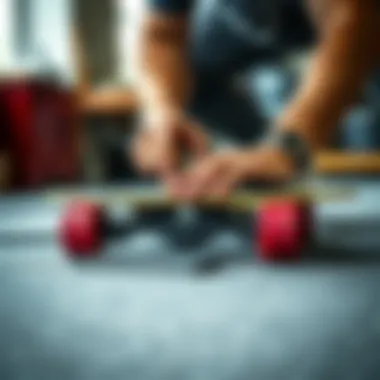
The actual application of griptape is where many riders feel the pressure. To apply it properly, follow these general steps:
- Align Carefully: Start at one end of the board, aligning the tape so it fits snugly onto the surface. Look for any air bubbles by sighting down the board.
- Peel Slowly: As you remove the backing, do it gradually to give yourself time to adjust the tape’s alignment.
- Smooth It Down: Use a squeegee or a flat tool to gently press out any air bubbles as you lay it down. Starting from the center and working your way out can help.
Remember, the smoother your application, the better the grip will be. A bumpy or uneven surface can lead to a lack of control when riding.
Trimming Excess Griptape
Lastly, trimming any excess griptape may seem minor, but it’s a significant step in achieving that polished look:
- Identify Overhang: Once the tape is applied, check if there are any areas that overhang the edges of the board.
- Use a Utility Knife: With the knife, carefully cut along the edges of the board. Try to follow the contours of the deck for a professional finish.
- Inspect Your Work: After the trimming, run your fingers along the edges to feel for any raised portions that could cause snags.
Taking care with trimming not only enhances the aesthetics of your penny board but also prevents issues like peeling or snagging when you’re on the move.
Overall, griptape application techniques are essential for ensuring safety and maximizing the deck’s performance. Following these steps provides a firm foundation for a stellar skateboarding experience and ensures that your penny board is ready to roll.
Maintaining Your Penny Board Griptape
Maintaining the griptape on your penny board is not just about keeping it looking sharp; it's crucial for ensuring optimal performance while skating. A well-maintained griptape provides the necessary traction to help you execute tricks with confidence and aids in foot stability. Its effectiveness affects not only your safety but also your overall skateboarding experience. Over time, wear and tear can degrade its grip, making it essential to adopt maintenance practices that ensure longevity and effectiveness.
Cleaning Techniques
One of the first steps in maintaining your griptape involves regular cleaning. Dirt and grime can accumulate, compromising grip quality. To clean your griptape effectively, follow these steps:
- Brushing: Use a stiff-bristled brush to scrub the surface. This helps dislodge any debris without damaging the tape.
- Soapy Water: If your griptape is particularly dirty, apply a mild soapy solution. Use a cloth to wipe it down, ensuring that excess moisture doesn’t seep into the board.
- Rinse with Water: After scrubbing, rinse the tape with clean water. Avoid soaking it; just lightly spray or use a damp cloth.
- Drying: Allow it to air dry thoroughly before using the board again. A wet surface can lead to slipping and increases the risk of damage to the adhesive.
Adopting these cleaning practices every couple of weeks can significantly extend the lifespan of the griptape.
Identifying Signs of Wear
Knowing when your griptape needs attention is vital. Keep an eye out for these common indicators of wear:
- Smooth Patches: Areas lacking texture indicate that the grip is fading, which can lead to slips.
- Peeling Edges: If the griptape starts to peel from the edges, it’s time to repair or replace it. This can affect not only performance but may also cause damage to the board itself.
- Visible Cracks: Cracks or bubbles in the surface can disrupt the effectively of the griptape, leading to compromised traction.
By being proactive and identifying these signs early, you can avoid any safety mishaps.
When to Replace Griptape
Eventually, all griptape will wear to the point where replacement is the only viable option. Here are a few markers that indicate it’s time for a change:
- Severe Wear: If most of the texture is lost or if there are extensive smooth patches, a replacement is necessary.
- Increased Slipping: If you notice more frequent slips and you have done your cleaning, your griptape is likely no longer effective.
- Adhesive Failures: If the tape is peeling away despite proper cleaning, it may not adhere well enough to withstand use.
Replacing griptape is a straightforward process; however, it ensures that your penny board performs at its best. Regular inspections and replacements can save you from accidents that arise from a lack of grip.
Remember: Keeping an eye on your griptape not only saves you hassle in the long run but also keeps your rides smooth and enjoyable.
For more detailed discussions related to skateboarding maintenance and gear, consider visiting Wikipedia or engaging in community discussions on Reddit.
The Evolution of Griptape Designs
The world of skateboarding is not just about riding and tricks; it's also a canvas for expression. One aspect that often gets overlooked when we talk about skateboards, especially penny boards, is griptape. This seemingly simple part plays a crucial role, not just in functionality but also in style. Understanding the evolution of griptape designs is essential for skateboarders who wish to elevate their riding experience. It reflects the past and hints at the future, intertwining skate culture with design innovation.
Trend Overview through the Years
Griptape has seen a significant transformation since its inception. Initially, most designs were plain black, serving only the purpose of providing grip. Over the years, various trends emerged:
- The Birth of Graphics: The late '70s and early '80s witnessed a surge in creativity. Skateboarders started to demand more than just functionality. Artists began incorporating graphics, logos, and bold colors into griptape, making it a form of artistic expression.
- The Rise of Custom Designs: Fast forward to the 1990s, as skateboarding gained popular traction, companies offered customizable options. Riders could now choose between various textures, colors, and prints, from graffiti styles to abstract designs.
- High-Tech Griptape: In recent years, manufacturers have introduced high-performance materials, enhancing grip while maintaining durability. Additionally, some brands have experimented with holographic and glow-in-the-dark options, appealing to younger audiences enamored with aesthetics.
With each era, griptape has become not just a practical addition but also a chance for skateboarders to showcase their personality. As trends shift, classic styles often make comebacks, proving that what was once old can always be made new again.
Influence of Skate Culture on Griptape Design
Skate culture is deeply rooted in rebellion, creativity, and freedom. The designs of griptape have been shaped by these very principles. Here's how skate culture influences griptape:
- Identity and Individualism: For many skateboarders, their board is an extension of themselves. Customized griptape allows them to express their identity. Whether it’s a favorite band logo or a piece of street art, each design tells a story about the rider.
- Community and Collaboration: Scenes in various cities have led to collaborative designs, where local artists work alongside skateboard brands. These partnerships foster a sense of belonging in the skate community, with griptape often featuring unique local artwork.
- Social Movements and Awareness: In recent times, many skate brands have taken a stand on social issues, creating griptape designs that reflect values of inclusion, diversity, and environmental awareness. These designs resonate with a generation that is increasingly aware of these matters.
The evolution of griptape designs illustrates how intertwined skateboarding is with broader cultural narratives. By studying these trends, one realizes that choosing griptape goes beyond performance; it’s about aligning with a community and making a statement.
"Skateboarding is not just a sport; it’s a lifestyle. And griptape? It’s where that lifestyle is physically expressed."


As we narrow our focus on the future, it becomes interesting to speculate what the next chapter holds for griptape. With continual advancements in material technology and a consistently evolving skate culture, the possibilities seem endless.
Market Trends in Griptape for Penny Boards
In the fast-paced world of skateboarding, staying ahead of the curve is crucial. The realm of griptape for penny boards is not exempt from this trend-driven environment. Observing current market trends can provide invaluable insights for skateboarders, enthusiasts, and even retailers. Understanding these trends aids in making informed decisions and can enhance the overall skateboarding experience.
One of the vital elements in this field revolves around the constant evolution in design aesthetics and performance features. Brands are increasingly focusing on not just how the griptape looks, but also how it enhances performance. There’s a growing shift toward custom designs that allow skateboarders to express their individual style. Bright colors, unique graphics, and personalized artwork are taking center stage. This reflects a broader trend in skate culture which values personal expression alongside functionality.
Emerging Brands and Innovations
When discussing market trends, emerging brands are redefining the notions of quality and creativity in griptape production. Companies like Black Label, Jessup, and Alien Workshop are establishing themselves in the niche, carving out a space through distinct design approaches and innovative materials. These brands often prioritize both durability and traction, ensuring that products resonate with the functional demands of novice and seasoned riders alike.
Innovations in material technology are notable, too. For instance, the emergence of griptape made from recycled materials is on the rise. This not only speaks to the increasing trend of sustainability but also offers skateboarders a chance to support eco-friendly practices without compromising quality.
"This trend toward unique designs and sustainable materials represents a pivotal shift in how skateboarders view their equipment and the impact it has on their environment."
Sustainability in Griptape Production
As the environment takes center stage in many industries, the skateboarding sector is no different. Sustainability in griptape production is gaining traction, with many brands prioritizing eco-friendly materials and manufacturing processes.
A key factor is the shift from traditional vinyl-based griptapes to those made from organic materials. These environmentally friendly options tend to be less harmful to both the environment and skateboarders. Brands are exploring new frontiers with plant-based adhesives and binding agents that replace more harmful chemicals.
Here are a few ways brands are embracing sustainability:
- Recyclable Materials: Using materials that can easily be recycled when the griptape reaches the end of its life cycle.
- Low Waste Production: Streamlining the production process to minimize waste, thus reducing their overall carbon footprint.
- Local Sourcing: Many brands are prioritizing local materials, not only to support their community but also to reduce transportation emissions.
Each of these efforts not only fosters a more sustainable skate culture but resonates deeply with a growing demographic of environmentally conscious consumers. By embracing these trends, riders connect their passion for skating with a commitment to preserving the planet.
In essence, the market for penny board griptape is steadily evolving, driven by the demands for personalization and sustainability. By keeping a finger on the pulse of these trends, skateboarders can choose products that align with their values and performance needs.
User Experiences and Reviews
User experiences and reviews form a crucial component of selecting the right griptape for penny boards. They offer real-world insights that can greatly influence purchasing decisions. Often, potential buyers turn to fellow skaters' experiences to gauge the performance and reliability of a specific griptape type. This feedback is valuable, as it discusses usability, longevity, and effectiveness—elements that might not be covered in product descriptions or marketing material. Studies show that most consumers rely on peer reviews before making a purchase, validating the significance of user feedback.
Expert Opinions on Best Griptape
When diving into the world of griptape, it’s wise to consider what experts have to say. Skateboarding professionals, industry insiders, and seasoned riders often provide invaluable direction. For instance, many recommend brands like Jessup and Mob Grip for their durability and grip.
Here’s what’s often highlighted by the experts:
- Durability: Experts point out that a long-lasting griptape not only saves money in the long run but also ensures safety on the board.
- Texture: Many suggest a gritty texture for better traction, especially for tricks and stunts.
- Ease of Application: Some professional skaters advocate for griptapes that are user-friendly during application, allowing for a smooth process without air bubbles.
Furthermore, some riders argue that investing more in griptape can lead to an improved riding experience. According to interviews on platforms like Reddit, some pro skaters affirm that a good quality griptape elevates control, which can make all the difference, especially for those attempting complex maneuvers.
"The right griptape can make or break your ride. It's not just about looks; it's about performance. Choose wisely." - Pro Skateboarder
User Testimonials and Feedback
User testimonials add personal dimension to the discussion on griptape. They often reveal how specific products have performed over time, providing information not just about immediate purchases, but about long-term experiences. For instance, a parent buying a penny board for their child might benefit from reviews about griptape that withstand daily use and trials.
Common themes that emerge in user feedback include:
- Grip Quality: Many users praise the excellent grip levels provided by particular brands, noting that it significantly improves overall ride stability.
- Wear and Tear: Customers frequently discuss how well the griptape holds up against harsh conditions and repeated use. Insights into when to replace griptape can save riders headaches in the future.
- Visual Appeal: Testimonials also reflect on the aesthetic aspects of griptape, especially the colored and printed varieties that allow riders to express their individuality.
Platforms like Facebook groups dedicated to skateboarding culture often showcase reviews and photos, giving potential buyers a holistic view of different products in real-world settings. It's remarkable how authentic experiences can resonate, driving the decision-making process in a community-oriented way.
Finale: Choosing the Right Griptape
Selecting the right griptape for your penny board is more than just a choice of color or pattern; it directly impacts your riding experience. A well-selected griptape ensures optimal grip, enhances stability, and can even contribute to your safety while skating. With the diversity available in the market—from standard options to more fashionable printed varieties—there’s no one-size-fits-all solution.
When contemplating which griptape to choose, it’s pivotal to evaluate your riding style, environmental conditions, and personal aesthetics. For instance, if you tend to cruise along city sidewalks, a high-traction textured griptape will likely serve you well, while flashy printed styles might catch the eyes of observers at the skate park.
Ultimately, your penny board is an extension of your personality and style. The right griptape not only complements your board but also enhances your performance on it. This guide has covered the essentials, now, let’s tie it all together.
Summary of Key Points
- Understanding Griptape: Griptape plays a crucial role in skateboard performance and safety by providing grip and control.
- Types of Griptape: Familiarity with different types—standard, printed, and textured—allows skaters to choose based on preferences and performance needs.
- Application Techniques: Properly applying griptape is key to maximizing its benefits, ensuring longevity and durability.
- Maintenance: Regular cleaning and inspection help identify signs of wear, determining when to swap out your old griptape for a fresh one.
- Market Trends: Keeping abreast of emerging brands and sustainability practices can aid in making more informed purchasing decisions.
Final Thoughts on Griptape Selection
Choosing the right griptape can feel daunting, particularly with so many options at your fingertips. But take a moment to reflect on what’s truly important to you as a skateboarder. Whether it's about prioritizing grip performance or choosing something that visually resonates with you, being deliberate in your choice will pay off in the long run.
Moreover, consider the evolving nature of the skateboarding community. Griptape is more than a functional item; it has become a canvas for expression. By selecting a griptape that matches your style, you become part of a broader narrative, one that appreciates both the art and science of skating.
"Skateboarding is not just a hobby, it's a lifestyle, and every element—this includes griptape—reflects who you are as a rider."
The right griptape can transform your ride. So, weigh your options carefully, apply the knowledge you’ve gathered from this guide, and don’t be afraid to experiment until you find what suits you best.