My First Skateboard: A Journey into Skate Culture
Intro
Skateboarding isn't just a sport; it's a culture that breathes life into the streets, parks, and any patch of pavement that welcomes a wheeled surface. Many of us remember the excitement and eagerness that bubbled up inside when we first decided to step onto a skateboard.
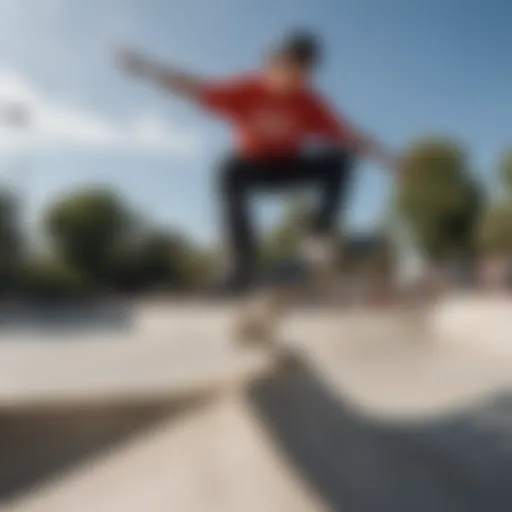
The moment I got my first skateboard is etched in my memory— the feel of the deck beneath my feet, the sound of the wheels on concrete, and the wind rushing through my hair. It marked the transition from mere curiosity to a thrilling adventure entrenched in camaraderie and self-expression. This journey into skate culture isn’t just about tricks and boards; it’s about discovering confidence, creativity, and community.
In this exploration, we will delve into the tips, tricks, and essential gear needed to navigate this vibrant world. We will also uncover the poignant moments that define our experiences, the stories that bring us together as a collective, and the broader cultural influences that shape the skateboarding landscape. So, lace up your Vans, grab your board, and let’s roll into the heart of skate culture.
Intro to Skateboarding
Skateboarding is more than just a sport; it’s a lifestyle that encapsulates a unique blend of art, freedom, and adrenaline. Understanding the roots and cultural significance of skateboarding can provide valuable insights not only for those who ride but also for those who interact with or are curious about the skateboarding community. In this article, the journey of acquiring a first skateboard is explored, and it aims to shed light on why this experience matters, especially for new skaters.
With the rise in surfaces to skate on, from urban landscapes to skating parks, the importance of grasping the fundamentals becomes even more crucial. It equips beginners with the skills necessary to navigate their immediate skate environments while fostering a sense of belonging within the vibrant skateboard culture.
Historical Context
Skateboarding sprouted in the late 1940s and early 1950s when surfers in California wanted to capture the thrill of surfing on land. At first, these wooden planks with wheels were referred to as "sidewalk surfboards." As the decades rolled on, the design and techniques evolved, mirroring broader cultural movements.
By the 1970s, skateboarding was gaining traction as a sport. Iconic figures like Tony Hawk and the Z-Boys brought the sport into the spotlight. This era saw the emergence of vertical skating and ramps, which set the stage for high-octane performances at competitions. The introduction of polyurethane wheels changed the game, allowing for smoother rides and enhanced tricks. The wave of commercialization hit the scene hard as well, leading to a proliferation of brands and products.
Today, skateboarding has grown to encompass diverse styles and communities globally. From the freestyle moves in urban centers to the technical approaches in professional competitions, the sport showcases various methods of expression.
Cultural Significance
Skate culture is a melting pot of styles, ideas, and philosophies. It stands apart by rejecting mainstream norms, embracing individuality instead. The sense of freedom that comes with riding a skateboard creates a unique bond among skaters, forming communities that support each other.
In many urban areas, skateparks serve as sanctuaries where individuals can come together to share not just their skills but also their life experiences. These concrete arenas are where friendships blossom and knowledge is traded, embedding a sense of camaraderie. The visual aspect of skateboarding also feeds into this culture; art, music, and fashion often draw inspiration from skating, further intertwining these elements with broader cultural movements.
Moreover, with the advent of social media platforms like Instagram and YouTube, skateboarding has transcended geographical barriers. Skaters can share their tricks and styles with the world, multiplying the network of interactions. The cultural significance of skating is not just about riding; it's about expression, community, and the impact skateboarding has had on shaping identities.
"Skateboarding is an art form. It’s a way of expressing the inner self through movement."
In summary, understanding the history and cultural context of skateboarding adds layers to the process of acquiring a first skateboard and participating in this rich community. It’s not merely about the act of riding; it’s about adopting a whole new way of life.
The Moment of Acquisition
The acquisition of a first skateboard marks more than just the purchase of a wheeled board; it signifies a rite of passage into a vibrant subculture that thrives on creativity, persistence, and community. This moment is pivotal, filled with anticipation and excitement. In this section, we delve into the process of choosing the right skateboard, the significance of the emotional impact, and how these elements intersect to shape one’s initial experiences with skateboarding.
Choosing the Right Skateboard
When it comes to choosing the right skateboard, the options can feel like a maze. The variety in styles, designs, and purposes can be overwhelming for newcomers. Here is a closer look at the key aspects:
Types of Skateboards
The types of skateboards available can vastly influence a skater's experience. Common types include street decks, longboards, and cruiser boards. Each is designed for different skill levels and skating styles. Street decks, often shorter and more maneuverable, appeal to those looking to master tricks and skateparks. Longboards, on the other hand, offer stability and are great for downhill rides or cruising. Cruiser boards are perfect for short trips, balancing portability with comfort.
Ultimately, when embarking on this skateboarding journey, understanding the types of skateboards is vital. Choosing one that aligns with your interests and goals can pave the way for a more enjoyable experience.
Materials and Durability
Materials play a crucial role in the skateboard's performance and longevity. Most skateboards are made from seven-ply maple wood, known for its resilience and responsiveness. Some boards also utilize bamboo or plastic composites, which offer a different feel and weight.
A skateboard's durability directly affects how well it withstands wear and tear, especially for beginners who are likely to take some tumbles. Choosing a skateboard built to last not only enhances safety but allows skaters to focus on mastering their skills instead of worrying about breaks.
Personal Preferences
Personal preferences are at the heart of any skateboard choice. It's essential to consider things like board width, wheel size, and graphics—these factors can influence comfort and style.
While some might prefer a wider board for stability, others might lean towards a narrower build for trick performance. Ultimately, getting a skateboard that reflects your style not only boosts confidence but also builds a deeper connection to the sport.
The Emotional Impact
Acquiring a skateboard can evoke a whirlwind of emotions. It goes beyond the physical object; it is intertwined with personal growth and desire.
Anticipation
There's a palpable sense of anticipation that envelops you in the days leading up to your first session. The mere thought of owning a skateboard—a symbol of freedom and expression—can generate a thrilling mix of excitement and anxiety. This anticipation is crucial because it signifies a step towards exploration, a break from the mundane.
Notably, the anticipation often fuels motivation, prompting potential skaters to engage in research, connect with existing skaters, or even practice basic techniques beforehand. This preparation can add layers to the overall experience.
Initial Excitement
Initial excitement is often overwhelming. The first time you get your skateboard, it’s like being handed a key to a new world. This thrill is enriched by the potential for adventure and self-discovery. You feel the urge to ride, to experiment, and to test the limits of your skills.
However, it's worth noting that with excitement comes the reality of learning. That exhilarating moment of trying out your new skateboard can quickly be overshadowed by the hurdles of maintaining balance or executing tricks. This mix of joy and frustration is part of the ride, really solidifying the emotional connection to the sport.
Personal Reflection
As one reflects on these early skateboarding experiences, it helps pave the way forward. Consideration of what went well, what felt challenging, and the feelings that each encounter stirred can shed light on personal growth.
Personal reflection transforms the narrative from just a series of events to a deeper understanding of oneself. It encourages resilience and provides pivotal insight into the continual process of improvement both on and off the board. This reflection can also foster connections with other skaters who share similar experiences of overcoming struggles.
The journey of acquiring your first skateboard serves as a mirror, reflecting not only your physical abilities but also your emotional landscape as you step into skate culture.
First Skating Experiences
The initial moments spent on a skateboard are crucial. They set the tone for the entire journey into skate culture. From the thrill of the first push to the feelings of discomfort that come with falling, these experiences shape a skater’s perspective and resilience. Learning to ride is not just about mastering techniques; it's an emotional rite of passage, where every wobble and near-fall teaches lessons about persistence and adaptability. Moreover, the bonds formed during these early days often solidify into deep friendships.
Learning to Ride
Balancing Techniques
Balancing on a skateboard can feel like walking a tightrope at times. It's a critical skill that determines how well one can ride. The key characteristic of balancing techniques is finding stability while moving. The essential aspect of effective balancing dwindles down to weight distribution and body posture.
One unique feature in balancing is the stance. Whether a skater prefers a regular or goofy stance makes a significant difference in their learning curve. For instance, leaning slightly forward can help with momentum and control, yet it may feel awkward at first. The best advice is to practice on flat ground, allowing a skater to grow their confidence without the intimidation of speed or trick attempts. In this article, emphasizing the importance of balancing techniques leads to a smoother transition into the larger world of tricks and stunts.
Initial Challenges
Every skater remembers the first day out on their board. The initial challenges can vary widely but are universally daunting. One major hurdle is overcoming fear. Wobbles, shakes, and unexpected falls can be discouraging. However, confronting these challenges is vital. Facing the fear of falling can consequently pave the way for greater confidence.
Additionally, the unique feature of this struggle is that every fall teaches something new. Whether it’s learning to shift one's body weight or adjusting the board angle, these challenges are not detriments, but essential stepping stones. The beauty of skateboarding is how these initial struggles foster a sense of resilience and determination. Despite the frustrations, tackling challenges builds a foundation that is instrumental in further development as a skater.
Important Tips
Starting on a skateboard can feel overwhelming, yet here are some important tips that can make the process smoother. First and foremost, practicing on flat surfaces is beneficial. This allows for gradual enhancement of balance without the complexities of terrain.
Another notable tip is to wear proper gear, especially a helmet. Safety should never be compromised, as it not only protects but also builds confidence. Familiarizing oneself with the board—like knowing where to place the feet—is critical, enhancing responsiveness during the ride.
Moreover, breaking down the learning process into smaller, manageable goals can accelerate improvement. One might focus on just pushing off a few times before riding longer distances. These strategic tips not only aid in riding but also in growing a deeper appreciation for the sport.
First Tricks Attempted
Understanding Basic Tricks
Diving into trick riding opens a new world of creativity on a skateboard. Understanding basic tricks like ollies or kickflips is fundamental. The essence of these tricks lies in mastering the art of pop and control. Each trick offers a unique challenge and a sense of accomplishment once achieved.
The key characteristic of attempting tricks is that it cultivates a spirit of experimentation. Failing to land a trick is part of the learning curve—but when one finally nails that first ollie, it’s nothing short of euphoric. This excitement fuels motivation and nurtures a drive to improve further. The ability to realize that struggles come with significant learning makes the pursuit of skateboarding not just about success, but about the journey itself.
Frustrations and Failures
Failures are inevitable in skateboarding, especially when attempting tricks. Many first attempts lead to frustrations; stumbling and falling can feel disheartening. However, these moments are undeniably formative. They teach patience and perseverance. The pivotal part is to embrace these frustrations and use them as a blueprint for growth.
Realizing everyone faces similar hurdles in their skating journey creates a shared experience among skaters. Learning how to move past failure is essential not only for improving skills but also for reinforcing motivation. In the grand scale of skating, every failure contributes significanly to becoming a better skater.
Small Victories
Every small victory on a skateboard deserves recognition. Whether it’s rolling a few feet without falling, landing a trick for the first time, or simply feeling more confident on the board, these victories are vital.
The key feature of celebrating these achievements is that it boosts morale. Each little success fuels progress, encouraging new challenges. It’s important to create an environment where these victories are acknowledged, even if they seem trivial at first. Each small triumph builds towards greater accomplishments, solidifying the emotional connection between a skater and their board.
Social Connections through Skateboarding
Skateboarding is not merely a sport; it's a gateway into a vibrant community. The connections formed among skaters become part of the very essence of skate culture. These relationships are critical—it’s where motivation thrives and knowledge gets passed around. Skaters come together, and through shared experiences, they establish friendships that often last a lifetime.
Meeting Other Skaters
Building Friendships
The beauty of skateboarding lies in its ability to foster genuine friendships. When you step onto your board and roll up to a group of skaters, it's as if you instantly belong. Everyone, regardless of skill level, shares an unspoken bond. These connections often stem from the thrill of learning new tricks together or simply enjoying each other's company as you glide through a local park.
The camaraderie developed while navigating the challenges of skateboarding contributes significantly to personal growth. You learn not only to lean on others but also how to support them in return. This mutual respect cultivates an environment where skaters can thrive emotionally and physically. Plus, there’s something mildly thrilling about sharing a wipeout story that creates lasting memories.
The Role of Skating Parks
Skating parks serve as the epitome of social interaction within skateboarding culture. Most parks offer a range of features—ramps, rails, and bowls—that attract skaters of all levels. They provide a dedicated space where seasoned pro’s and fresh-faced novices can share the same ground.
These shared spaces are essential for social connections. The relaxed environment encourages skaters to practice tricks, while simultaneously forming friendships. However, it's crucial to remember that not all parks are created equal. In some cases, overcrowding or poorly maintained facilities can lead to frustrations or injuries. Then again, a well-structured park can be a true haven for building community.
Sharing Knowledge
When skaters congregate, knowledge sharing becomes an integral aspect of the experience. This is about more than just teaching someone how to land a kickflip; it’s about imparting values of perseverance and creativity. Older skaters often pass on tips to the younger ones, creating a cycle of mentorship that spans generations.
The key characteristic of sharing knowledge is that it's typically unstructured and organic. Instead of a formal lesson, it often unfolds in a relaxed atmosphere where skaters demonstrate tricks and provide suggestions on how to improve. This fosters a culture of learning that enhances the overall experience and helps individuals overcome challenges that might seem insurmountable when tackled alone.
"Each scrape, each bruise, it's not just a reminder of a fall; it's a badge of honor, a story waiting to be told."
Community and Culture
Participation in Events
Participation in skating events brings the skate community together. Whether you’re entering competitions or merely spectating, these gatherings are about more than just the tricks; they cultivate camaraderie and a shared sense of purpose among skaters. Events often showcase local talent, which adds a communal aspect that can fuel inspiration. However, they can also foster competition that pushes skaters to their limits.
One downside to events is the potential pressure they may add, especially among novice skaters. It's essential to strike a balance between celebrating achievements and keeping the focus on enjoyment. When skaters remind themselves that it’s about the ride, not merely the victory, everyone wins.
Local Skateboarding Culture
The local skateboarding culture is unique everywhere you go, shaped by the community's characteristics. Each area may have its distinct style, influenced not only by demographics but also by the available terrain and local skaters' personalities.
In some places, skaters adopt a rebellion against conventional norms, building their identity around creativity and freedom. However, in other locales, the focus could lean more towards technical skill or thrill-seeking. Understanding these local nuances can enrich the skating experience and open up new perspectives.
Influence of Online Communities
Today, online platforms play a pivotal role in shaping skate culture. There are endless forums, social media pages, and even dedicated skateboarding websites where skaters worldwide share their experiences. These interactions can amplify the sense of community beyond geographical boundaries. Online communities can offer advice, encouragement, and a space for feedback.
However, it’s essential to approach these online interactions with caution. Not every piece of advice may suit your style or level. Additionally, the comparison culture that can emerge online has its downsides; it’s easy to feel inadequate when viewing curated success. Yet, if approached positively, these communities can be a powerful resource for connection and growth.
Overcoming Challenges
Skateboarding is not just about gliding on wheels; it's a rite of passage filled with hurdles and triumphs that shape the journey of every skater. The reality of encountering challenges is a pivotal part of this sport, as it teaches perseverance, builds character, and fosters resilience. When stepping onto that board for the first time, one must be ready to face injuries and self-doubt, all of which are as common as the sound of wheels on pavement. Understanding how to navigate these obstacles not only enhances skills but also deepens one's connection to the skateboarding culture.
Dealing with Injuries
Understanding Risks
Every skater worth their salt knows that the thrill of the ride comes with its own set of risks. Comprehending these risks is crucial since injuries can range from scrapes and bruises to more serious accidents. Understanding risks provides a necessary lens through which one can appreciate the challenges of the sport. It’s the thin line between pushing your limits and knowing where to draw the line.
One unique aspect of understanding risks is developing the ability to analyze one’s own skill level. For instance, a novice may push a trick that’s far beyond what they’ve mastered, leading to unnecessary injuries. Being aware of these personal limits can be the difference between a positive experience and a painful one.
Safety Gear Essentials
When it comes to safety gear, the importance can hardly be overstated. The right safety equipment safeguards not just your physical well-being but also your mental state. Wearing a helmet, knee pads, and elbow pads can seem cumbersome, but these items are your first line of defense against injuries.
The striking feature of safety gear is its dual purpose. It not only protects but also allows skaters to push their boundaries with a tad more confidence. The downside? Some skaters believe wearing gear makes them less cool, potentially affecting their style. But let’s be real: no one looks cool laying in a cast, right?
Recovery Process
Recovery is another essential aspect that ties back to overcoming challenges. After a fall, knowing how to approach recovery can impact whether a skater returns to the board stronger or stays sidelined, contemplating a leap back into action. Stepping back, evaluating injuries, and allowing time for healing speaks volumes about a skater’s understanding of their body and its limits.
The unique characteristic of the recovery process is that it provides an unexpected emotional benefit. Diving back into skating after a setback often imbues a sense of achievement, reinforcing one’s passion for the sport. However, the challenge remains how to deal with the psychological fear of falling again, which can linger like a cloud overhead.


Confronting Self-Doubt
Navigating Expectations
Self-doubt is a common guest at every skater’s door, often creeping in unnoticed. Navigating expectations, be they set by peers or oneself, can feel as daunting as mastering a complex trick. The pressure to perform and maintain a particular image can become overwhelming.
In this scenario, a key aspect is understanding what constitutes realistic expectations. For someone just starting, it’s essential to acknowledge that becoming a pro skater overnight is a fairytale. Recognizing that every expert once struggled can be incredibly freeing.
Strategies for Confidence
Building confidence amidst challenges in skating doesn’t happen magically. It’s a process that involves discovering what works for you. Whether it's setting smaller goals, celebrating little victories, or learning alongside seasoned skaters, confidence grows when nurtured.
Unique to this journey is finding your rhythm and style at your own pace. Not every strategy fits every skater; what works might be as straightforward as dedicating a small amount of time each day to practice. The upside? Each little win feeds the soul, while the downside is the potential frustration when progress feels slow.
Resilience in Skating
The core of confronting self-doubt truly lies in resilience, an often-underappreciated quality among skaters. Resilience means not just bouncing back from a fall but getting back on the board with an enthusiasm to try again. It’s the invisible thread that ties together all experiences in skateboarding, from missteps to breakthroughs.
What makes resilience compelling is that it translates beyond the skateboard. Handling failures with grace and courage cultivates life skills that stretch into everyday situations. However, the challenge remains; not every skater initially embraces resilience, and developing this trait can be an uphill battle at times.
The Evolution of Skill
The journey of skateboarding is more than just about learning to ride; it involves honing skills that develop over time through dedication and practice. The Evolution of Skill captures the essence of this transformation, as riders evolve from clumsy novices to confident practitioners capable of executing complex tricks. This section highlights the significance of skill progression within the broader realm of skate culture and emphasizes the insights gained during this time.
Progressing in Techniques
Learning Advanced Tricks
Learning advanced tricks is a hallmark of any skateboarder's journey. Not only do these tricks showcase a rider's dedication, but they also serve as a profound statement of personal growth. The moment you manage to land that elusive kickflip after hours of trial and error is unbeatable. The key characteristic of learning advanced tricks is the sense of challenge paired with eventual success. This dynamic creates a motivational cycle, pushing you to try harder and improve constantly.
One unique feature of learning advanced tricks is the immense variety they offer. From the mystical Heelflip to the stylish Ollie, each is a path that contributes to a skater's signature style. However, these tricks come with their share of disadvantages too—such as increased risk of injury or the potential for frustration. Yet, overcoming these hurdles is part of what makes the journey thrilling.
Finding Resources
Finding the right resources plays a crucial role in mastering skills. These resources can range from online tutorials to local skating communities or skate parks. One of the most beneficial aspects of having access to these tools is the ability to learn diverse techniques efficiently. With the world at your fingertips, you can find video guides that break down complex moves into digestible parts, tailored for different skill levels.
The beauty of these resources lies in their accessibility. YouTube channels like
Final Thoughts
Reflecting on the journey through skateboarding is not merely an exercise in nostalgia; it's a crucial element of understanding its place in both personal and broader cultural contexts. As we navigate this realm, we realize that our experiences on a skateboard are intertwined with various life lessons. Skating can serve as a teacher, helping you to confront fears, embrace triumphs, and appreciate the beauty of persistence. It's vital to recognize that every grind, flip, and failed attempt carries value, shaping not just our skills but our character.
Reflecting on the Journey
Each ride on a skateboard tells a story, capturing moments of joy, frustration, and growth. Looking back, it's evident that the early days of struggling to stay upright translate into deeper emotional experiences. The joy of finally landing that trick you’ve been battling with is unmatched. It’s the small victories that build momentum and confidence. Moreover, reflecting on these moments allows us to understand how far we've come, transforming not just our physical capabilities but our mental resilience.
"Skateboarding isn’t just a hobby; it’s a journey of self-discovery."
This self-reflection keeps our passion alive and guides us through challenging times. Each session at the skate park or down the street becomes a chapter in our evolving narratives, reminding us to cherish each moment spent rolling, learning, and connecting.
Advice for New Skaters
For those just stepping into this vibrant world, consider these insights as guideposts on your skateboarding journey. Starting anything new can be daunting, but with the right mindset, it can also be incredibly rewarding.
Focus on Enjoyment
Finding joy in every roll is essential. Enjoyment serves as the foundation of your skating experience. It's easy to get caught up in comparisons or performance metrics, but remember, this is about your journey. When you focus on the joy, every step - or every slide - becomes significant. You might encounter many tricks that seem beyond reach, but find delight in the simple pleasure of skating.
- Key Characteristic: It fosters a love for the sport.
- Benefits: Helps manage frustration and builds a lifelong bond with skating.
- Unique Feature: Aligns your expectations with personal enjoyment over competition. The downside? It also means you might take longer to progress on difficult tricks but the trade-off is worth it in maintaining passion.
Embrace the Learning Curve
Every skater will face hiccups on their way to mastering the board. Embracing the learning curve means recognizing that every fall contributes to your growth. Skating isn't just about reaching the end goal; it’s about marveling at the process.
- Key Characteristic: Acknowledging mistakes as part of the journey.
- Benefits: Creates resilience and fosters patience.
- Unique Feature: Allows skaters to learn from peers and mentors, which can enhance your growth. It can feel frustrating, but the progress you make along the way becomes incredibly fulfilling.
Seek Community Support
Building connections within the skating community is invaluable. Leaning on fellow skaters for support can be a game changer.
- Key Characteristic: Shared experiences lead to growth.
- Benefits: A supportive network provides constructive feedback and camaraderie.
- Unique Feature: Engaging with the community offers informal learning through shared tips and experiences. It might take some initial effort to reach out, but the friendships and encouragement that bloom from those interactions make the ride worthwhile.
Exploring these facets and considerations can help new skaters build a solid foundation as they embark on their own skateboarding adventures. Through joy, acceptance of growth, and community, the skateboarding journey can become more than just a pastime—it evolves into a lifestyle.