The Impact of Graphic Tees on Men's Skate Fashion
Intro
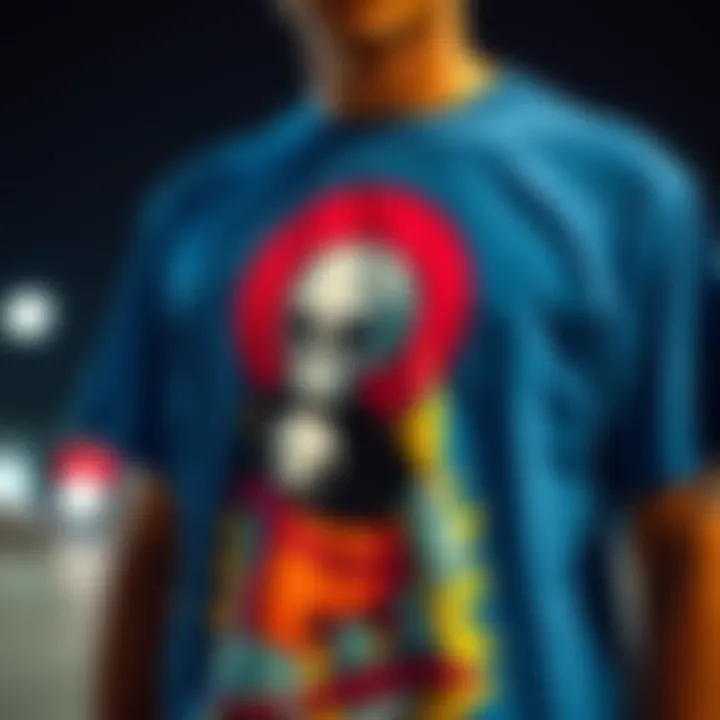
In the ever-evolving landscape of men's fashion, few elements have carved out a unique niche quite like graphic tees, particularly within skate culture. These shirts go beyond mere fabric; they act as a canvas for self-expression, mirroring the identity of skateboarders and their diverse backgrounds. From the early days of simple designs to today's bold statements and intricate graphics, graphic tees have become synonymous with the lifestyle and ethos of skateboarding. Through this exploration, we will delve into how these garments have evolved, their cultural significance, and their role as a medium through which skateboarders communicate their values, beliefs, and style.
Skateboarding Tips and Tricks
The right approach to skateboarding is essential for anyone looking to get on the board and enjoy the ride. Understanding the basics can set you on the path to becoming a proficient skater. Let's break down some fundamental tricks that every beginner should know and also touch on advanced techniques for those looking to push their limits.
Essential Tricks for Beginners
- Ollie: This basic trick is the foundation for almost everything else. It involves popping the tail of the board while dragging your front foot up. The board should jump with you, creating air beneath it.
- Kickflip: Once you're comfortable with the ollie, the kickflip adds flair. You pop the board up like an ollie, but with a flick of your front foot's toes to make it spin.
- Shuvit: This is where the board spins beneath your feet without flipping. You’ll pop it just like an ollie, but push your back foot sideways to get the rotation.
Mastering these tricks will not only build your confidence but will also give you a solid foundation for more complex maneuvers.
Advanced Techniques to Master
As you progress, the world of tricks expands immensely. Here are a few advanced techniques to elevate your performance:
- Heelflip: Similar to the kickflip but the board flips using your heel. The timing and foot position can be quite tricky.
- 360 Flip: This combines a kickflip and a shuvit into one fluid motion. It requires coordination and control to execute seamlessly.
- Grinds: Learning to grind on ledges or rails is an impressive skill. Start with simple grinds like the Smith or Feeble before moving to more technical ones.
These tricks exemplify the creativity involved in skateboarding, where every move can reflect the skater’s individuality.
Gear and Equipment Reviews
Choosing the right gear is crucial for any skateboarder. It not only ensures safety but also enhances performance. Here we evaluate some essential equipment.
Top Skateboards for Every Skill Level
- Element Skateboards: Known for durability and quality, perfect for beginners to advanced skaters.
- Zero Skateboards: Recognized for their strong construction, ideal for more experienced riders seeking performance.
- Santa Cruz Skateboards: Their unique designs make them popular among skateboarders who value both aesthetics and functionality.
Protective Gear You Can't Skate Without
- Helmets: Always a must. It protects your head during falls or unexpected accidents.
- Knee and Elbow Pads: These protect your joints, especially if you're attempting new tricks or skating in parks.
- Wrist Guards: Essential for preventing injuries during falls. A good pair of wrist guards can save you from fractures.
Each piece of gear contributes to both safety and success on the board, reflecting the skater’s commitment to the sport.
Graphic tees, in their vibrant designs and unfiltered messages, serve as a bridge between skateboarding culture and fashion, making them not just a choice but a statement in one's skating journey.
As we move forward in this article, we'll further unpack the significance of graphic tees within skateboard culture. From their design evolution influenced by the underground scene to their growing mainstream appeal, understanding this garment's journey will illuminate its role in shaping the modern skate identity.
Understanding Graphic Tees
In the contemporary landscape of men’s fashion, graphic tees have emerged as more than just a casual wardrobe staple. They represent a canvas for individuality, cultural commentary, and, notably, connections to the skateboarding world. This section lays the groundwork for comprehending the significance of graphic tees, emphasizing their role as a medium for self-expression and an influence on style within skate culture. At their core, graphic tees serve multiple functions, from providing visual identity to reflecting the socio-political climate of the times.
One of the compelling reasons graphic tees gained traction is their accessibility. A broad spectrum of options means anyone—whether a hard-core skater or a weekend enthusiast—can find a tee that resonates with their aesthetic. In this way, graphic tees democratize fashion, allowing personal expression without breaking the bank, making them particularly appealing to youth who embrace skate culture.
As society evolves, so too do graphic tees, adapting to cultural shifts and trends. They mirror the spirit of eras gone by and document movements like punk, grunge, and the blossoming of streetwear. Consequently, understanding graphic tees is essential for grasping how style and culture intertwine, especially in the context of skating where regional styles and influences come into play.
While some may view them merely as t-shirts, the rich narratives they convey deserve deeper exploration. Properly appreciating graphic tees requires examining their origins and classifications, allowing for a nuanced appreciation of their evolution.
Definition and Origins
Graphic tees, at their simplest, are t-shirts featuring pictures, designs, or slogans printed on them. They were not always staples in men’s wardrobes; their origins can be traced back to the mid-20th century when they were primarily used for promotional purposes and as uniform elements for various organizations. However, they experienced a renaissance in the 1980s, particularly intertwined with youth subcultures like punk rock and skateboarding, paving the way for what they are today.
As skateboarders adopted these tees, they became symbols of rebellion—often emblazoned with logos of skate brands or iconic imagery. The shift from utilitarian wear to a medium for individual expression was gradual yet profound. Thus, graphic tees began showcasing not just personal taste, but also community affiliation and lifestyle choices, cementing themselves as a fundamental part of skate culture.
Types of Graphic Tees
A plethora of graphic tee designs exist, each carrying its significance and appeal. Here are some common types:
- Band Tees: Often featuring logos or album art, these tees express musical preferences and are essential within skate circles, merging two beloved subcultures.
- Artist Collaborations: Many brands collaborate with local or renowned artists to produce limited-edition tees, making art accessible while supporting creators.
- Statement Tees: These designs often convey political, social, or humorous messages, leveraging the power of graphic design to spark conversations and advocate for various causes.
- Vintage and Nostalgia Tees: Surfacing from thrift shops or as revived styles, these tees connect current generations to past decades, embodying a spirit that feels both retro and fresh.
In essence, each type not only offers a route for personal expression but also channels a sense of belonging—an underpinning to the culture of skateboarding and beyond.
Cultural Impact of Graphic Tees


Graphic tees have transcended their humble beginnings to become a vital component of modern fashion. Particularly in the realm of skate culture, they serve as more than mere clothing; they are emblematic of self-expression and individuality. The cultural significance of graphic tees lies in their ability to encapsulate personal identities, social commentary, and artistic expressions all in one garment. In this section, we’ll delve into the historical context and the role graphic tees have played in youth subcultures, specifically within skating communities.
Historical Context
To fully appreciate the impact of graphic tees, it helps to look at their history. The roots trace back to the post-World War II era in America when T-shirts were primarily utilitarian. However, the 1960s sparked a revolution. With the rise of counterculture movements, shirts were transformed into canvases for political statements and artistic expression. Bands, like The Grateful Dead, and artists began to leverage this medium, setting a precedent for graphic representation on clothing.
By the time skate culture emerged in the 1970s and 80s, the graphic tee was already positioned as a form of rebellion. Skateboarders adopted this style not simply for comfort but as a vehicle for personal narrative. The graphics were bold, edgy, and often showcased a disregard for the mainstream. This laid the groundwork for the graphic tees we see today, filled with vibrant colors and designs that reflect not just personal style but deeper community values.
"Graphic tees are like a window into one's soul, revealing thoughts, attitudes, and passions that words might fail to convey."
This evolution from a simple undergarment to a cultural icon illustrates how functional fashion can evolve into artistic expression. The designs often narrate stories, raise awareness about social issues, or celebrate significant moments in skate history, thus serving a dual purpose: style and statement.
Graphic Tees in Youth Subcultures
In the landscape of youth subcultures, graphic tees occupy a unique position. From punk to hip-hop and now to skate culture, these shirts have acted as badges of identity. Each subculture adopts graphic tees but puts its own spin on designs, colors, and themes.
- Punk influence: Bold logos and aggressive graphics often showcased band allegiance and a rejection of mainstream fashion.
- Hip-hop culture: Graphic tees in this genre are often infused with vibrant colors and intricate designs that tell stories of urban life and resilience.
- Skateboarding: In the realm of skateboarding, the graphics frequently include elements of rebellion and freedom, echoing the ethos of skating itself.
Skate graphic tees have featured unique artwork from renowned artists like Ed Templeton and Shepard Fairey, establishing a strong visual language that resonates within the community. These shirts have brought attention to various artistic styles, encouraging younger generations to explore creativity in their clothing choices. The DIY attitude that prevails among skateboarders fosters an appreciation for varied aesthetics, from simple designs to complex illustrations.
In essence, the cultural impact of graphic tees is undeniable. They not only signify the wearer’s allegiance to certain subcultures but also act as a mirror reflecting social dynamics and artistic innovation. As trends evolve, the role of graphic tees in expressing cultural identity and serving as a foundational piece within skate culture remains significant.
Graphic Tees and Skateboarding
The interplay between graphic tees and skateboarding is undeniably significant, rooted in a deep cultural exchange that goes beyond mere clothing choices. Graphic tees are not just fabric; they are a canvas reflecting the beliefs, styles, and attitudes of skate culture. The unmistakable blend of artistry, rebellion, and identity characterizes the unique relationship between skateboarders and their gear, particularly graphic tees.
The Role of Graphic Tees in Skate Culture
Graphic tees represent more than just a fashion statement in the world of skateboarding. They are a vital form of self-expression that communicates individual style and interests, often echoing the creativity inherent in skate culture. When a skateboarder slips on a tee adorned with graphics, logos, or messages, they signal their affiliation with certain values or lifestyles. These shirts can also showcase local art, support musicians, or feature skateboarding legends, thus playing a crucial role in creating a narrative around the sport.
A tee might depict everything from surreal graphics to iconic skate brands, effectively becoming a part of one's identity. Skaters often curate their collections based on the stories behind the graphics or their connections to specific skaters or brands, celebrating both artistry and the ethos of skateboarding.
Moreover, the freedom of choice in graphic tees allows skateboarders to articulate their unique perspectives. They can serve as conversation starters or representations of solidarity with broader movements, such as environmentalism or social justice. This versatility amplifies the tee's significance, transforming it into a medium for dialogue and connection within the community.
Brands That Define Graphic T-Shirt Aesthetics
Various brands have come to symbolize the aesthetics of graphic tees in skate culture, each bringing their own flair and message to the mix. Among them, Thrasher Magazine stands out, renowned for its iconic logo and graphics that resonate with skaters and non-skaters alike. The fiery logo has become synonymous with rebelliousness in skateboarding, making it a staple item in many wardrobes.
Another voice in this landscape is Santa Cruz Skateboards, known for its vibrant and bold graphics that often pay homage to classic pop culture references. Their designs range from vivid colors to intricate illustrations, appealing to enthusiasts who appreciate nostalgia and raw creativity.
Additionally, brands like Creature and Baker have carved out their niches with graphic tees that often reflect the grittiness and authenticity of skate culture. With engaging designs encapsulating the spirit of experimentation and risk, these tees often act as homages to skate legends or iconic moments within the community.
As skateboarding embraces diverse influences, the graphic tee remains a key piece through which skaters express personal style and connect with the broader skateboarding narrative. As the culture evolves, the brands dictating graphic tee aesthetics will inevitably shift, yet their core function will remain: to convey identity, passion, and the spirit of skateboarding.
Designs and Their Significance
The designs found on graphic tees create a vivid tapestry that speaks to much more than mere fashion. They represent a confluence of culture, personal identity, and artistic expression—especially within skate culture. A graphic tee often becomes a canvas, showcasing everything from striking logos to abstract art, and even political statements. As skateboarding has evolved, so too have the designs worn by its participants, intertwining storytelling with the casual aesthetic that graphic tees are known for.
Iconography and Graphics
When we talk about graphic tees, the iconography used is not just visually striking; it's steeped in meaning. Skate culture has produced a unique lexicon of symbols and styles. For instance, brands like Thrasher evoke a sense of rebellion with their bold flame logos, while others like Santa Cruz utilize intricate graphics that transport the viewer into a world of surrealism. This imagery is often linked to skate history, offering a nod to the roots of the sport or reflecting the attitudes of the time.
Moreover, the choice of graphics can influence the viewer’s perception of the skateboarder wearing the shirt. A tee emblazoned with a punk band’s logo might suggest a certain lifestyle choice, whereas a vintage-inspired graphic may resonate with a nostalgic vibe. As skateboarding becomes more mainstream, the graphic choices also reflect broader societal trends, making them essential to understanding the fabric of youth culture.
In brief:
- Graphics serve as a talking point that connects wearers to their peers.
- They are a visual ‘lingua franca’ within the skate community, making them easily recognizable and significant.
- Designs can evoke nostalgia, give praise to subcultures, and foster a sense of inclusion.
Color Scheme and Material Choices
The color palette of graphic tees plays a pivotal role in their impact. Bright, saturated colors can draw the eye and convey energy, while muted tones may evoke a more subdued vibe. Skate culture thrives on personal expression, thus colors are often employed strategically to reflect the skateboarder’s mood or personality. Black and white designs can often carry an edgier aesthetic, fitting neatly into the gritty environments most skateboarders navigate.
Alongside color, the material choices of graphic tees also speak volumes. Heavier cotton can offer durability, ideal for the wear and tear from skateboarding, while lighter fabrics might lend a more relaxed feel, perfect for casual outings. Moreover, environmentally conscious materials like organic cotton have entered the scene, reflecting a greater movement towards sustainability. This blend of aesthetics and function ensures that the designs on graphic tees remain fresh and relevant.
- Materials used often include cotton, poly-cotton blends, and recycled fabric, catering to various needs and preferences.
- The tactile aspect of the tee can affect the entire experience of wearing it; comfort goes hand-in-hand with style in this community.
"Designs aren’t merely adornments; they are reflections of life on a skateboard. Each graphic, each color used, carries a story—the story of its wearer, their struggles, and their triumphs."


Graphic tees are much more than clothing—they encapsulate a lifestyle. The designs are straightforward but deeply layered in contexts. Understanding these facets enriches the appreciation of not just graphic tees, but the culture they stem from.
Fashion Trends Influencing Graphic Tees
Graphic tees have not just crept into the wardrobe of skate enthusiasts; they've squatted firmly at the intersection of fashion trends redefining contemporary self-expression. Understanding the impact of current trends on graphic tees reveals how these garments morph from mere clothing to potent statements. We're digging into how shifts in culture and aesthetic preferences forge connections between streetwear, retro revivals, and the everyday fashion sense of skateboarders and beyond.
Streetwear Influence
Streetwear has arguably reshaped the landscape of fashion in ways that few could have predicted. Beginning as a grassroots aesthetic grounded in skate and surf culture, streetwear has evolved into a multi-million-dollar empire. Brands like Supreme and Off-White have capitalized on this evolution, often pushing the boundaries of design.
Graphic tees find themselves embedded within this phenomenon, not just as clothing items but as canvases that display art, political statements, and cultural critiques. The marriage of streetwear and graphic tees can be seen in how these shirts often feature bold designs, slogans, and the heavy use of logos. The sheer visibility of these tees on the streets provides an outlet for the wearer’s desires or defiance against mainstream templates.
Consider, for instance, the trend of oversized fits in streetwear. A baggy graphic tee paired with loose denim or joggers conveys a laid-back attitude, signifying both accessibility and rebellion against conventional body norms. This relaxed vibe resonates with skateboarders, who often seek comfort and freedom of movement. The style says, "I play by my own rules."
"Graphic tees embody not just fashion, but a counterculture spirit that thrives on individuality and expression."
Vintage and Retro Revivals
The pull of nostalgia plays a crucial role in how graphic tees are perceived within men's fashion. There’s a certain charm in the designs from the past that seems to have captured the imagination of today’s youth. Whether it’s reprints of classic concert tees or retro businesses, the connection to a bygone era feels cozy yet rebellious.
Trends reflecting vintage aesthetics have made their way back into mainstream fashion, reminding many skateboarders of the roots of skate culture. Think old-school brands like Santa Cruz or Powell Peralta, whose graphics resonate with a time when skating was raw and unrefined.
Moreover, fabric wear and fading provide a tangible essence of a life lived. Wearing a vintage graphic tee becomes a discussion point—a statement about identity, experiences, and inclusiveness in a wider community.
The allure of thrift shopping has surged as well, particularly among younger generations. Scouring second-hand shops for unique graphic tees provides both a fashion statement and a more sustainable approach to dressing. Wearers enjoy the thrill of the hunt, adding another layer of personalization to their style.
In short, vintage and retro influences play a pivotal role in the storytelling through apparel, making each tee not just a piece of clothing but a piece of history, a layered connection to skateboarding's rich tapestry of history and identity.
Styling Graphic Tees
When it comes to fashion, graphic tees hold a unique position, especially within skate culture. They are more than just clothing; they’re a canvas that reflects personal style and individuality. Styling graphic tees not only allows for self-expression, but it also aligns with the unrefined yet curated aesthetic that skate culture embodies. Understanding how to style these tees can significantly enhance one's overall look while maintaining comfort, a crucial aspect for skaters.
Casual Looks
Casual styling of graphic tees holds immense value, as it reaffirms the laid-back vibe intrinsic to skate culture. Pairing a graphic tee with well-fitting jeans or joggers can create a balanced silhouette that is both stylish and functional.
- Footwear: Opt for classic skate shoes like Vans or Converse. These brands have long been associated with skateboarding and create a cohesive appearance without sacrificing comfort.
- Accessories: Keep it minimalist. A simple cap or beanie, and perhaps a wristband can complete the look without making it feel overdone. Remember, the goal is to stay comfortable while also looking sharp.
- Layering Options: If the weather calls for it, throwing a lightweight flannel shirt over a graphic tee can not only add depth to the outfit but also keep it in line with the layered looks prevalent in skateboarding.
Layering Techniques
Layering adds versatility to styling graphic tees, allowing wearers to adapt their outfits to different weather conditions or occasions. It’s an effective way to transition a casual look into something more unique or polished.
- Hoodies and Jackets: A casual approach often involves pairing a graphic tee with a relaxed hoodie or a denim jacket. This can inject a bit of warmth while maintaining a street-smart edge. The classic Levi's denim jacket or even an oversized hoodie works well in this scenario.
- Turtlenecks Underneath: For a more daring look, wearing a graphic tee over a fitted turtleneck can be visually engaging. It’s a contemporary twist that breaks traditional styling conventions but, when done right, results in a fashionable ensemble.
- Mixing Patterns: Don’t shy away from mixing patterns. A striped long-sleeve shirt under a graphic tee can provide an interesting contrast. Just ensure that the colors complement each other—otherwise, it can come across as cluttered.
"In a world where trends come and go, the graphic tee remains a stalwart ally for self-expression and style."
Styling graphic tees may seem straightforward, but the possibilities are endless. Each combination serves as an extension of the wearer’s identity and reinforces the meaning behind skate culture, where individuality reigns supreme. The right styling can turn a simple graphic tee into a powerful statement piece, making it an essential component of any skater’s wardrobe.
Sustainable Practices in Graphic Tees Production
As graphic tees continue to assert their place in men’s fashion, particularly within skate culture, the conversation around their production practices becomes more relevant. Today’s consumers—especially the skateboarding community—are increasingly conscious of the environmental and ethical implications of their clothing choices. Thus, sustainable practices in graphic tees production are not just a trend; they represent a shift towards greater accountability in fashion.
Adopting ecological methods is crucial, given that the fashion industry is one of the largest polluters globally. Sustainability in graphic tee production doesn't merely cover the choice of materials but also extends to the entire lifecycle of the garment.
Eco-friendly Materials
The materials used in creating graphic tees play a significant role in their sustainability. Traditional cotton farming, for example, often involves the use of harmful pesticides and extensive water consumption. However, several eco-friendly alternatives have emerged, which include organic cotton, recycled polyester, and hemp. These materials not only minimize environmental impact but also provide robust and comfortable fabrics for everyday wear.
Here are some noteworthy eco-friendly options:
- Organic Cotton: Grown without pesticides, organic cotton reduces soil degradation and conserves water.
- Recycled Polyester: Made from recycled plastics, it diverts waste from landfills and significantly reduces energy usage compared to virgin polyester production.
- Bamboo Fabric: Naturally pest-resistant, bamboo requires little water and no chemicals, making it an excellent choice for sustainable clothing.
- Hemp: This resilient plant grows quickly, absorbs CO2, and typically doesn’t require fertilizers or pesticides.
Incorporating these materials into graphic tees not only helps in reducing the carbon footprint but also aligns with the values of eco-conscious skate enthusiasts, who are often advocates for environmental justice.
Ethical Production Methods
Equally important in the sustainability equation are ethical production methods. The processes involved in creating graphic tees must ensure fair labor practices, safe working conditions, and adequate compensation for workers. This aspect is crucial, especially since skate culture thrives on community and individuality; it becomes a disservice to the ethos of skateboarding if the clothing worn does not reflect those values.


Some ethical practices that are making waves in the industry include:
- Fair Trade Compliance: Ensuring that factories comply with ethical standards that promote fair wages and humane working conditions.
- Local Production: Sourcing materials and producing tees locally not only reduces transportation emissions but also supports local economies.
- Transparent Supply Chains: Companies that are open about their production processes foster trust with consumers, allowing them to make informed decisions.
- Waste Reduction Initiatives: Adopting practices that minimize waste, such as using digital printing to reduce ink consumption and repurposing leftover fabrics, also play a role in ethical production.
"Sustainable production is not just about the environment; it's about people, communities, and cultures."
The movement towards sustainable practices in graphic tees is encouraging for both consumers and manufacturers. In an environment where skateboarders, enthusiasts, and retailers are actively looking for brands that resonate with their values, sustainable practices can significantly influence purchasing behaviors. This alignment not only enhances brand loyalty but also raises awareness around the ethical issues faced in garment production, ultimately contributing to a more responsible fashion scene.
Consumer Trends and Behavior
Understanding consumer trends and behavior is crucial, especially in the context of graphic tees and their role in skate culture. This focus will potentially unveil how choices and preferences shape the landscape of fashion. Particularly, it’s about recognizing the shift in how buyers interact with graphic tees today—and how this interaction influences not just sales but also the very essence of skateboarding’s image.
Behavioral insights reveal that skateboarders often prefer graphic tees for more than just visual appeal. The designs often reflect individuality and passion—a sort of badge of honor within the community. When a skateboarder sports a tee emblazoned with a provocative graphic or slogan, it communicates their values, affiliations, and even their social stance without uttering a word. Hence, the perceived value of these shirts gradually transcends mere clothing; they become tools for self-expression.
Purchasing Decisions
When it comes to purchasing decisions, graphic tees hold a particular clout in consumer behavior, especially among the youth. Understanding why individuals opt for certain tee designs can provide valuable insights to brands and retailers. For instance:
- Brand Loyalty: Many skateboarders develop strong attachments to brands that resonate with their identity. It’s not uncommon for someone to champion a specific label, influenced by personal experiences or endorsements from peers.
- Peer Influence: In skate culture, your social circle can sway your buying habits significantly. A brand that’s cool in one group may not resonate in another, leading to a complex web of preferences based on social interactions.
- Price Sensitivity: Price plays a major role; affordable graphic tees often secure a broader audience. While some are willing to invest in premium labels, others seek value without compromising style.
Online Shopping Influence
The digital realm has revolutionized how skateboarders engage with graphic tees. Online shopping ushers in a world where geographical boundaries blur, broadening access and availability of diverse brands. Here’s how:
- Exposure to Varied Styles: Online platforms expose consumers to an array of graphic styles, colors, and themes that may not be present in local stores.
- Social Media Impact: Platforms like Instagram or TikTok have the potential to shape trends with influencers promoting specific designs. A tee worn by a popular skater can quickly become a hot commodity.
- Reviews and Recommendations: Shoppers can sift through reviews and feedback online, which can greatly influence their decisions. Seeing other skateboarders endorse a particular tee can inspire confidence in a purchase.
"The youth don’t just buy clothing anymore; they buy narratives. Graphic tees serve as canvases where stories unfold, connecting the wearer to a larger cultural movement."
For skateboarders, graphic tees are not merely fashion items. The emotional investment in a t-shirt can be profound, and understanding the behavior around these purchases provides clarity to brands looking to align with their audience. As we delve deeper into these trends, the picture becomes clearer: graphic tees represent much more than fabric; they embody a culture and a lifestyle.
The Intersection of Technology and Fashion
In recent years, the merging of technology and fashion has dramatically transformed not only how we perceive clothing but also how we create, distribute, and purchase it. This intersection holds particular significance in the world of graphic tees within the skate culture, where self-expression through design and accessibility through commerce are paramount. Technology acts as a bridge, connecting artistic endeavors with commercial viability, allowing for a dynamic evolution of graphic tees that reflect the spirit of modern skate culture.
Digital Design Tools
With the advent of advanced digital design tools, creating graphic tees has never been simpler or more innovative. Skate culture enthusiasts can harness software such as Adobe Illustrator or Procreate to design eye-catching graphics that resonate with their personal style or the messages they wish to convey. This democratization of design means that it's no longer just established brands controlling the narrative; anyone with a creative spark and access to these tools can make waves.
Moreover, various online platforms now offer user-friendly interfaces for designing apparel. Websites like Teespring and Redbubble provide a platform for skateboarders to upload their designs and enter the marketplace without substantial upfront costs. This flexibility allows small brands and independent artists to go toe-to-toe with more established entities, resulting in a vibrant and diverse offering of graphic tees. The rise of these digital design tools has fundamentally changed the landscape, encouraging grassroots creativity and promoting individuality.
E-commerce Innovations
As technology continues to evolve, so too does the approach to selling graphic tees. The internet has reshaped traditional retail, making e-commerce not just an option but a necessity for brands wishing to thrive in the skate culture market. Unlike the past, where one had to rely solely on brick-and-mortar stores, now skateboarders can discover the latest tees with just a few clicks.
Innovative features such as virtual fittings and augmented reality (AR) applications allow consumers to preview graphic tees on themselves before making a purchase. These technologies cater to the unique preferences of skateboarders, ensuring that they not only look good but feel comfortable as well. Moreover, social media platforms play a pivotal role in driving e-commerce, where skateboarders share their favorite looks or even the latest releases they're obsessed with. Being able to instantly purchase a tee seen in a social media post has become commonplace, creating a seamless shopping experience.
"The fusion of technology and fashion isn't just about aesthetics; it's about creating connections and communities."
Thus, the intersection of technology and fashion within the realm of graphic tees highlights a crucial evolution in the industry. As technology continues to advance, the possibilities for creativity and accessibility will only expand, making it an exciting era for both creators and consumers in skate culture.
Future of Graphic Tees in Fashion
The landscape of men's fashion is shifting rapidly, and graphic tees are no exception. As we look ahead, understanding the future of graphic tees holds significant value—not just for skateboarders but also for enthusiasts, parents, retailers, and marketers alike. These tees are poised to permeate even deeper into the cultural fabric, serving as more than just casual wear.
Graphic tees intertwine with identity and personal expression. As society becomes increasingly influenced by digital media and social trends, the meanings affixed to graphics and slogans evolve. For instance, designs that once reflected local skate scenes now embrace broader themes like sustainability and mental health awareness. As we delve into this topic, we see that the integration of technology, shifting consumer preferences, and the ongoing quest for uniqueness are driving innovation in this sector.
Emerging Trends
Graphic tees in skate culture are at the neck of the wave when it comes to emerging trends. One trend is the fusion of art and fashion. Artists from varied backgrounds are collaborating with brands and individual skateboarders to create pieces that resonate deeply with culture. The result is an array of unique, limited-edition shirts that not only showcase artistic flair but also support the creator’s vision.
Also, with the rise of digital platforms like Instagram and TikTok, the visibility of graphic tees has surged. Influencers and amateur skateboarders alike are showcasing their styles online. This organic promotion fuels interest and drives sales. It creates an environment where individuals feel compelled to frequent their local shops or explore online retailers, hunting for the latest designs that can help them express their individuality.
Moreover, sustainability is climbing the ranks. Brands increasingly adopt eco-friendly practices, using organic materials and sustainable dyes. A modern skateboarder may choose a tee not solely for its design but also for its environmental impact. This conscious consumption reflects a broader shift in societal values and suggests that, in the domain of graphic tees, sustainability and style are no longer mutually exclusive.
Predictions for Skate Culture
As we speculate about the future trajectory of skate culture, several compelling predictions emerge. One might contend that we will continue to see a decentralization of trends. Unlike decades past where mainstream brands dictated style, today’s skateboarders often draw inspiration from diverse sources. This could result in a more eclectic mix of designs that marry traditional skate motifs with unexpected influences like high fashion.
Additionally, technology will play a crucial role in shaping how graphic tees are designed, sold, and worn. Consider the use of augmented reality in retail spaces, where customers could scan graphics for hidden visuals or messages, adding a layer of interactivity to the shopping experience.
Furthermore, with the resurgence of nostalgia, we may observe a revival of vintage graphics and retro styles reminiscent of past decades. Just as skate culture morphs and adapts, so do the styles that define it, cycling back to earlier influences while adopting modern sensibilities.
In close, the future of graphic tees within skate culture holds promise. As fashion intersects with personal ethos, environment, and technology, these tees will continue to serve not just as clothing but as dynamic expressions of subculture identity. While the path forward may be ambiguous, one thing remains clear: the journey of graphic tees in men's fashion has only just begun.