The Evolution of Platform Hightop Shoes in Skate Culture
Intro
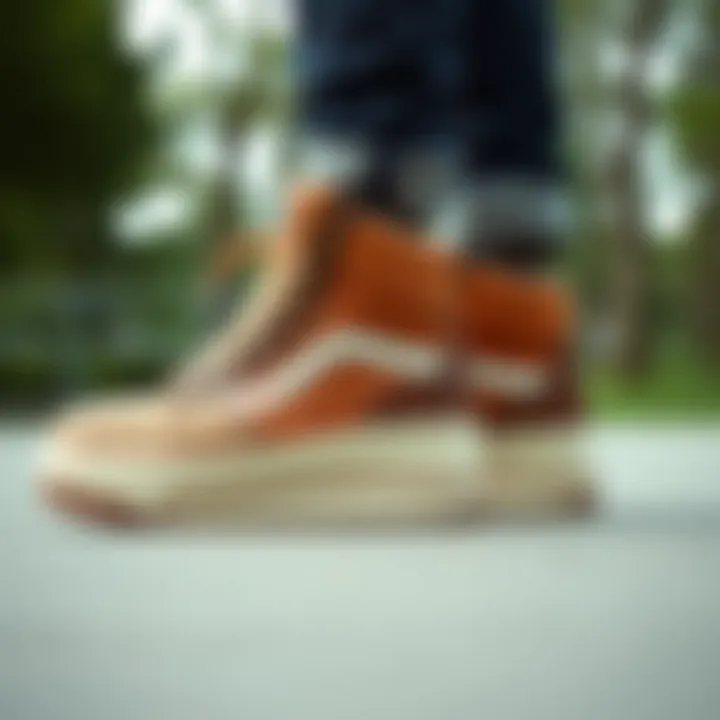
In the ever-evolving landscape of skate culture, few items hold as much significance as platform hightop shoes. These footwear pieces are not merely a fashion statement; they embody the spirit of rebellion, creativity, and innovation that defines the skating community. Tracing back to a time when skateboarding emerged as an underground phenomenon, platform hightops have carved a niche that intertwines functionality with aesthetic appeal.
From their early adoption in the 1970s to their modern iterations embraced by streetwear enthusiasts, these shoes have reflected the shifts and trends within skate culture. Their design speaks volumes—not just about style, but about the identity of skaters and their connection to the urban environment.
Moreover, platform hightops have evolved alongside advancements in materials and technology, adding layers of performance benefits that cater to both amateur and professional skaters. Slip-resistant soles and cushioned support enhance the overall skateboarding experience, making them a go-to choice for those who crave both performance and flair.
As we delve deeper, we'll explore how these shoes emerged, the nuances between traditional skate footwear, and the role of celebrity endorsements that further propelled their status. This article serves as a comprehensive guide, shedding light on the unique interplay between skate culture and the design evolution of platform hightop shoes.
Overview of Platform Hightop Shoes
In the labyrinthine world of skate culture, platform hightop shoes stand as a distinctive emblem of both style and function. Understanding them is key for enthusiasts, parents of budding skaters, and retailers eyeing this unique segment of the sneaker market. At first glance, these shoes may appear merely as elevated footwear designed for aesthetics. However, they harbor deeper significance, embodying a fusion of art, culture, and a statement of identity.
The essence of platform hightops lies in their high-top design that extends above the ankle, coupled with a thicker sole which provides both height and cushioning. This unique structure supports effortless maneuvers on the skateboard while simultaneously serving as a canvas for creative expression through diverse colors and designs. For skateboarders, the choice of footwear is not just about comfort; it influences performance on the board significantly. An ideal pair of shoes might mean the difference between landing that tricky trick or eating pavement.
Key Elements to Consider:
- Support and Protection: The ankle coverage provides stability during intense skateboarding sessions, minimizing injuries.
- Fashion Statement: These shoes fuse skate culture with urban fashion, appealing to a broader demographic and allowing self-expression.
- Cultural Symbolism: For many, they represent a lifestyle choice, merging the boundaries between skateboarding and streetwear.
Through this exploration of platform hightop shoes, we uncover an interwoven narrative that speaks to phases of evolution in skate culture. The discussion sheds light on how these shoes have adapted over time, mirrored shifts in societal attitudes, and embodied cultural expressions reflective of the subcultures surrounding them. Engaging with this topic prompts deeper contemplation on what skateboarding and related fashion truly represent, revealing an intricate tapestry where performance meets personal identity.
Historical Context
The historical context surrounding platform hightop shoes is crucial for understanding their role in skate culture. The journey these shoes undertook reflects broader themes of innovation, identity, and cultural exchange. From their inception to their current status within skateboarding, it’s fascinating to examine how external influences shaped their design and acceptance among skaters. The evolution of platform hightops is not only a story of footwear but also a narrative that intertwines with the shifting dynamics of skate culture over the decades.
Early Incorporation in Skateboarding
Platform hightop shoes made their initial appearance in the skateboarding scene during the late 1970s and early 1980s. Back then, skaters were primarily wrapped up in functionality; sneakers involved barely any padding, primarily designed for minimal weight and optimal board feel. Yet, the adaptability of these shoes began to gain traction, especially as skateboarders experimented with tricks that required more support.
The skating community was searching for footwear that offered added ankle support without sacrificing style. Brands like Vans started incorporating higher tops into their designs, creating a perfect blend of functionality and flair. What set them apart was their distinctive styles, appealing graphics, and plush cushioning.
Moreover, these early developments coincided with the rise of skateboarding as a mainstream sport. This positive reception meant that hightops could stride onto the scene with confidence, matching the boldness of the tricks skaters began to master. In many ways, the early adoption of platform hightops acted as a catalyst, pushing other manufacturers to innovate further.
Influences from Other Subcultures
The evolution of platform hightops cannot be isolated from the surrounding cultural influences. From punk rock to hip hop, various subcultures have left an indelible mark on the design and aesthetic of skate shoes. During the 1980s, the punk rock movement emphasized a rebellious attitude, which permeated the skateboarding community. Skaters like Tony Hawk and the Bones Brigade popularized styles that borrowed from punk, often seen in their edgy graphics and color choices.
Later, hip-hop artists began to champion hightops, quickly cementing them as staples in urban fashion. Take a figure like Run-D.M.C., who famously sported Adidas Superstar sneakers. This crossover not only enhanced the fashionable allure of hightops but also established a cultural dialogue that resonated deeply with the youth. As skateboarding progressed into the 1990s, the blending of styles continued to solidify the hightop shoe's reputation, fusing gritty urban visuals with the technical demands of skating.
By melding elements from diverse subcultures, platform hightops have transformed into more than just footwear; they've become a part of an identity that speaks volumes about the wearer's cultural affiliation.
In summary, the historical context of platform hightops is marked by a dynamic interplay of early skateboard needs and the vibrant influences of surrounding subcultures. Understanding this context helps skate enthusiasts appreciate not just the shoes themselves, but the rich history they represent.
Functionality vs. Aesthetics
The debate surrounding functionality versus aesthetics in the realm of platform hightop shoes is both layered and intricate. Skate culture, which thrives on the crossroads of performance and style, brings this conversation to the forefront. Skaters often seek out footwear that not only augments their performance but also makes a bold fashion statement. After all, in the skateboarding community, an individual's choice of shoe can symbolize their identity and values just as much as their skating style.
In essence, these shoes are not just about looking good; they're about standing tall in the world of tricks and flips while ensuring comfort and support. Skaters want footwear that performs under pressure, but they also desire a design that reflects their uniqueness. Let's dive into the particulars.
Performance Features of Hightops
Support and Stability
Support and stability are fundamental when it comes to hightop skate shoes. The design typically features a higher ankle cut, offering a secure fit that helps prevent injuries during high-impact activities. This aspect is crucial; when a skater lands a trick, the last thing they want is to twist an ankle because of inadequate support.
Moreover, the support system in these shoes often incorporates sturdy materials and construction techniques that work to distribute the foot's weight evenly. The inner padding around the ankle provides comfort, while the outsole delivers grip needed to navigate various skate surfaces. Hightops become a skater's ally, offering the support needed for confidence in every move. However, an inherent trade-off exists — while the high cut provides stability, it can restrict ankle mobility somewhat, leaving fashion-savvy skaters to weigh their personal preferences.
Cushioning Technology
Comfort in footwear isn't solely about fit; it's also deeply rooted in cushioning technology. Many modern hightops come equipped with advanced insoles and midsole cushioning that absorb shock with every landing. This feature can significantly enhance a skater's performance by minimizing the impact on joints, which over time can lead to less fatigue and an overall better experience on the board.
The key characteristic of effective cushioning technology lies in its ability to adapt to the shape of the foot, offering personalized comfort. Take, for instance, the implementations of EVA (Ethylene Vinyl Acetate) and Zoom Air units, both of which distribute pressure effectively. While highly regarded, these unique features sometimes come with a tradeoff in outsole thickness, which can impact overall board feel and feedback — an essential element for many skaters.
Fashion Statements in Skate Culture


Colors and Patterns
In skate culture, colors and patterns are not merely about aesthetics; they communicate identity and influence the perception of style within the community. Think of hightops as wearable canvases, where skaters express their personalities through bold graphics or subtle hues.
The vibrant designs often cater to individual tastes, allowing for unique combinations that stand apart on the skatepark. Popular trends include everything from vintage-inspired colorways to eye-catching graphics that shout individuality. The downside? Such striking styles can sometimes overshadow performance features, as some shoes prioritize looks over practicality in their design. Nevertheless, the trend continues to thrive, reinforcing that for many skaters, a good appearance can be just as important as high performance.
Brand Collaborations
Brand collaborations play a massive role in amplifying the cultural significance of hightop shoes in skate culture. Notable partnerships between skate brands and iconic figures or lifestyle companies have created limited-edition releases that generate buzz among influencers and die-hard fans alike. Such collaborations often inject fresh perspectives into classic designs, as they merge street fashion with function.
One key characteristic here is exclusivity; these pairs can become highly sought after, affecting their market value and desirability. But there’s a catch — while limited releases can create excitement, they sometimes come at a premium price, putting them out of reach for many aspiring skaters. Ultimately, these collaborations challenge the traditional perception of skate sneakers by combining art, culture, and performance.
In summary, the interplay between functionality and aesthetics in platform hightop shoes is vital for their place in skate culture. With users focusing on both performance features like support and cushioning, alongside the need for stylish designs characterized by vibrant colors and collaborations, one can see how this duality continues to shape trends in the skating world.
Material Innovations
In the ever-evolving world of skate culture, material innovations in platform hightop shoes are key to fusing performance with style. Skateboarders, whether pros or hobbyists, rely on shoes that not only look good but endure the wear and tear of their lifestyle. Exploring these advancements in materials unveils how they play a significant role in shaping the footwear choices of countless skaters, enthusiasts, parents, and retailers alike.
Evolution of Shoe Materials
Durability Considerations
Durability in skate shoes has always been paramount. As skaters push the limits on streets, ramps, and parks, they need footwear that can withstand abrasions, impact, and the elements. Modern materials now utilize high-resilience rubber soles and reinforced areas, designed to mitigate the effects of wear from grinds and ollies. One standout characteristic is the incorporation of synthetic leathers, which presents a robust barrier against scuffs while maintaining flexibility.
- Key Benefits:
- Enhanced resistance to abrasions, prolonging the shoe's life.
- Lightweight materials help skaters maintain agility.
- Flexibility for natural foot movement ensures better performance during tricks.
A unique feature that some brands integrate is the fusion of multiple materials for added strength. This blend not only improves durability but also caters to style preferences. While it certainly adds an appealing aesthetic, it can make shoes less breathable, presenting a trade-off that skaters often navigate.
Sustainability Trends
In recent years, sustainability has emerged as a crucial consideration in footwear production, reflecting a growing awareness among consumers. Hightop shoes have begun incorporating recycled materials and environmentally friendly practices in their designs. This shift is not just for show; it demonstrates a commitment to responsible fashion within skate culture.
- Key Characteristics:
- Use of recycled plastics and organic cotton contributes to reduced environmental impact.
- Eco-friendly manufacturing processes draw attention to responsible sourcing.
- Brands focusing on sustainability often gain favor among younger skaters who value ethical consumption.
A notable aspect of this trend is the rise of popular collaborations, where brands partner with environmental organizations to design limited-edition sustainable lines. While these initiatives elevate brand image, the challenge lies in ensuring that the sustainability does not compromise performance—something skaters evaluate carefully.
"Skateboarding is about expression, and what you wear reflects your values. Sustainable shoes mean you can look good while doing good."
As skate culture continues to evolve, the materials used for platform hightops will certainly shape their legacy. Understanding these innovations not only enriches the narrative of skate shoe design but also broadens the conversation about ethical practice within an art form that champions individuality.
Cultural Impact
In examining platform hightop shoes within skate culture, it's essential to underscore how these designs transcend their functional purpose, becoming cultural beacons that reflect broader social movements and community identity. Platform hightops have morphed into more than just footwear; they are a manifestation of lifestyle, artistry, and personal expression.
Skate culture has always thrived on individuality and rebellion, and the adoption of platform hightops aligns seamlessly with these values. Their bold designs and vibrant colors allow skaters to make a statement, pushing boundaries in both skateboarding and fashion. The significance of this impact is not merely aesthetic but also rooted in how these shoes symbolize the vibrancy of urban life. They foster a sense of belonging among skaters, creating an unspoken bond that is often seen in group dynamics and collective identities in skateboarding communities.
Iconic Figures who Popularized Hightops
The Role of Pro Skaters
Pro skaters have played a pivotal role in the popularity of platform hightops, acting as trendsetters within the circuit. Their endorsement of specific brands, often through sponsored events or social media, is instrumental in driving consumer interest. When a well-respected skater, such as Tony Hawk or Nyjah Huston, showcases a particular style of shoe at a major competition, the market can see an immediate spike in interest and sales. This relationship elevates the hightops from being just another option to icons of style within the skate community.
A key characteristic of the role of pro skaters is their authenticity. They use these shoes in high-stakes environments, which lends credibility to the performance claims made by the manufacturers. For skaters seeking both style and support, the shoes that have gained endorsement from these talented athletes often become the first choice.
However, there's a caveat; sometimes, marketing can overshadow the practical aspects of the shoes themselves, risking consumer dissatisfaction if the shoes fail to meet the performance expectations they set. Thus, while pro skaters amplify the visibility of hightops, there exists a balancing act between style and utility.
Influence of Hip-Hop Artists
The convergence of skate culture and hip-hop is undeniable, with influential hip-hop artists like A$AP Rocky and Tyler, The Creator championing platform hightops not just in their lyrics but also in their fashion choices. This connection has allowed the footwear to overleap from skate ramps to urban streets, embedding themselves in the everyday lives of youth culture.
Artists often serve as cultural mediators, taking a perspective that blurs the lines between genres and styles. The unique features of these hightops, often imbued with bold colors or distinct designs, resonate strongly with hip-hop aesthetics and fashion sensibilities. In effect, the collaboration between skate culture and hip-hop artists is mutually beneficial; it broadens the market for hightops, attracting a diverse audience that appreciates both skating and the urban soundtracks that accompany it.

However, this cross-pollination can also result in a dilution of skate culture's core values. The more commercialized these shoes become through celebrity endorsement, there lies the risk of distancing the authentic skate community from its roots. Balancing street credibility with mainstream popularity is a challenge, but nonetheless, this influence significantly shapes modern skate culture.
The Intersection of Skateboarding and Urban Fashion
The blend of skateboarding with urban fashion is a vivid depiction of how culture evolves. Platform hightops find themselves at this crossroads, acting as a canvas for expression while embodying the essence of public spaces where skateboarding flourishes. Fashion designers often draw inspiration from skateboards, and vice versa, creating a symbiotic relationship that ultimately enriches the streetwear scene.
As urban fashion continues to evolve, we see a consistent trend of utilizing popular skate elements—graphic prints, vibrant colors, and loose fits—integrated into mainstream apparel lines. This progression leads to heightened visibility for platform hightops within larger fashion narratives, conveying that skate culture is not just a fringe movement but an integral component of contemporary style.
Hence, discerning skateboarders, as well as casual wearers, can appreciate these shoes not only for their performance but also for how they contribute to a shared narrative around identity, heritage, and expression in rapidly moving urban landscapes.
Consumer Trends
Understanding consumer trends is vital for grasping how platform hightop shoes have made their mark in skate culture. This topic sheds light on what drives interest and demand for these iconic shoes. Factors such as market analysis, shifts in purchasing behavior, and community feedback play critical roles in shaping the landscape of skate footwear.
Market Analysis of Hightop Footwear
When we talk about the market for hightop footwear, it’s essential to consider not just the sales figures, but also the cultural resonance these shoes hold. They are more than just a piece of gear; they are a statement. Over the past few years, there’s been a noticeable uptick in the popularity of platform hightops among younger consumers, undoubtely driven by their unique combination of style and functionality. Additionally, brands like Nike, Vans, and Adidas have been instrumental in this surge, creating limited-edition releases that often sell out within minutes.
This has led to a competitive atmosphere where brands are not just competing on price but also on innovation and social relevance. The modern skateboarder isn’t just looking for protection and grip; they want a product that reflects their identity. Therefore, brands that can tap into urban subcultures while maintaining quality tend to capture market share.
Shifts in Purchasing Behavior
With consumer habits shifting at the speed of light, understanding how skateboarders shop for hightops can provide valuable insights.
Online Shopping Preferences
Online shopping is reshaping how consumers approach purchases, especially in the realm of skate footwear. More skaters are buying their hightops online rather than in physical stores. The ease of browsing various brands, reading detailed specifications, and accessing user reviews makes the online experience compelling.
Moreover, the unique characteristics of online shopping—e.g., convenience and variety—cannot be overstated. Skateboarders can scour for deals and find rare editions without ever leaving their homes. Yet, there are nuances to consider as well. Size discrepancies can lead customers to order multiple pairs just to find the right fit, creating a somewhat cumbersome return process. Still, this model has become a staple for many, making it a popular option among the community.
Influence of Reviews and Testimonials
The influence of reviews and testimonials in skate culture is highly significant. Potential buyers often seek validation from their peers before committing to a purchase. Consumers are increasingly relying on social proof, especially from fellow skateboarders or influencers within the community. Positive reviews can bolster product popularity, while negative experiences can swiftly tarnish a brand's reputation.
What stands out in this trend is the community's engagement through platforms like Reddit and skateboarding forums. These spaces allow skaters to share their experiences and encourage others to make informed choices. It’s a cyclical process—good reviews can propel a product's status, while poor feedback can sideline brands that fail to live up to expectations. This conversational approach to consumer feedback enriches the entire purchasing landscape in skate culture.
"A shoe isn't just about style; it's about trust and shared experiences in the community."
The connection between consumer trends and platform hightops is a classic example of how modern society still cries out for authenticity. In a culture steeped in practice and loyalty, the right footwear can spell the difference between fitting in and standing out.
Personal Experiences of Skateboarders
In the realm of skateboarding, personal experiences—especially with platform hightop shoes—play a pivotal role in shaping both the culture and the individual skater's journey. This footwear isn't just about aesthetics; it's intricately woven into the lives of those who navigate skate parks, urban streets, and, sometimes, their deepest personal challenges. Each skater has a unique story about how platform hightops have influenced their skating style, added to their identity, or helped them forge bonds within the community.
User Reviews and Feedback
User reviews and feedback about platform hightops are not mere product evaluations; they are narratives that contribute to the collective understanding of these shoes within the skateboarding community. When a skater shares their experience, it often encompasses several critical aspects such as:
- Performance: Feedback about grip, ankle support, and cushioning can dictate whether a particular model is deemed a favorite or a flop.
- Durability: Skaters often push their footwear to the limits. Reviews often cover how well hightops withstand wear and tear over months of skating.
- Comfort: A shoe that feels good while riding can elevate one's confidence, making positive reviews crucial.
- Style: Skaters also express how the visual appeal aligns with their personal style—bright colors or sleek designs can be game-changers.
For instance, when a user reports that they felt safer while performing tricks in a specific hightop model, it reverberates with other skaters who might be hesitant about the stability. Likewise, negative reviews, such as discomfort after a long day at the park, serve as cautionary tales.
Community Perceptions of Hightops
Community perceptions of platform hightop shoes vary widely but are generally characterized by a blend of admiration and skepticism. Many skaters admire hightops for:
- Innovation: As a newer evolution in skate shoes, platform hightops are often viewed as a progressive step forward—a blend of traditional skate culture with contemporary street fashion.
- Versatility: These shoes are often seen as suitable not just for skating but also for daily wear, making them an appealing choice for many.
- Symbolism: Wearing platform hightops can sometimes represent a connection to broader cultural movements, such as individuality, rebellion, or even nostalgia for 90s skate culture.
However, skepticism isn't absent. Some traditionalists argue that hightops might compromise the performance characteristics that define effective skate footwear. Concerns about weight and flexibility often surface in discussions, with some claiming that a lighter shoe could enhance performance over the added support a hightop provides.
Ultimately, it's these very conversations that foster growth and evolution in skate culture. Personal experiences, reviews, and community perceptions converge to create a comprehensive narrative around platform hightops and their place in the hearts and decks of skateboarders everywhere.
Comparative Analysis
The comparative analysis of platform hightop shoes and traditional skate shoes serves as an essential lens through which we can understand the evolution of skate culture's footwear preferences. This analysis provides insight not only into the functional attributes and stylistic choices that differentiate these types of shoes but also highlights the cultural significance that hightops have acquired over recent years. This exploration allows enthusiasts, marketers, and designers to appreciate the multifaceted aspects of skate culture and how they influence consumer behavior.


Platform Hightops vs. Traditional Skate Shoes
Support Mechanisms
When considering support mechanisms, platform hightops clearly demonstrate distinct advantages. Their higher cut design provides additional ankle support, which is particularly beneficial during the tricks and jumps that characterize skateboarding. Traditional skate shoes, while often low-cut and designed for flexibility, can lack the comprehensive support provided by hightops. An important characteristic of hightops is their cushioned collars that help stabilize the ankle while improving comfort.
- Benefits of Hightop Support:
- Enhanced stability during difficult maneuvers.
- Potential reduction in the risk of ankle injuries.
However, some skateboarders may find the rigidity of hightops restrictive, impacting their agility on the board. The balance between support and flexibility is crucial, making this a pivotal conversation in the realm of skate footwear.
Weight Considerations
Next, we delve into the weight considerations associated with platform hightops. A common thought is that increased height and support materials lead to a heavier shoe. However, many modern designs have successfully integrated lightweight materials that maintain support without weighing down the skater. This juxtaposition highlights a key characteristic of hightops: their ability to be both supportive and relatively light compared to typical skate shoes that can feel cumbersome during prolonged use.
- Weight Advantages of Hightops:
- The lightweight construction can lead to better performance during extended skating sessions.
- Less fatigue from heavy footwear can help skaters remain nimble on their boards.
Yet, it’s important to note that heavier designs—while supportive—can hinder quick movements and reflections during skating. Striking the right balance between durability and functionality is crucial for skaters and designers alike.
Integrating Hightops into Skate Culture
The integration of platform hightops into skate culture isn’t just about footwear but examining how these shoes have been embraced by a community. With a blend of practicality and style, they resonate well with urban fashion trends and appeal to a diverse range of skateboarders. As pro skaters and influencers showcase hightops, they heighten the visibility and desirability of this footwear in skateboarding. The combination of flashy designs with functional aspects continues to intrigue new generations.
In emphasizing personal expression through skating, platform hightops have established themselves as a symbol of individuality and style. As skaters pair them with their unique wardrobe, they communicate not just their passion for the sport, but also their personal brand.
"Platform hightops become more than shoes; they are statements of identity in skate culture."
Thus, the comparative analysis reveals that while platform hightops and traditional skate shoes serve the core purpose of protecting the foot, their engagements with various elements of skate culture highlight their significance beyond mere functionality.
Future Directions in Design
As the world of skate culture continues to evolve, the design of platform hightop shoes is also steering into new territories. Recognizing their integral part in not just functionality but also as a fashion statement, designers are innovating to meet the demands of skateboarders and urban dwellers alike. The future of these shoes is not just about aesthetics but significantly hinges on functionality, comfort, and personalization. This section aims to uncover emerging trends that signify the next steps in shoe design for skaters.
Emerging Trends in Hightop Design
Tech-Enabled Features
The shift towards tech-enabled features in platform hightop shoes is turning heads in the skateboarding community. One major characteristic of these innovations is the integration of smart technology, which plays a vital role in enhancing the skateboarding experience. Imagine a shoe that tracks your skating performance—measuring speed, distance, and even jump height. This element pushes the envelope as skaters are constantly looking for ways to optimize their skills.
A standout feature within tech-enabled shoes is smart cushioning systems that adapt to the skater's style and movements. This tech not only provides comfort but also minimizes injury risks, a frequent concern in high-impact sports like skateboarding. The advantages of these innovations are staggering; they offer more than just foot protection—they deliver a tailored skating experience that can evolve based on real-time data.
While the benefits are promising, there are disadvantages as well, chiefly the price point. Tech-heavy hightops usually come with a higher tag, which might deter some potential buyers. Nonetheless, for serious skateboarders, the fusion of technology and fashion represents a worthwhile investment.
Customization Options
On the other side of the coin lies customization options, a trend gaining traction among platform hightop wearers. Customization speaks to individuality, a core value in skate culture. The ability to design one's shoes down to the color scheme and graphics can transform them from a mere accessory into a canvas for self-expression.
Key characteristics of these customization offerings include unique graphics, materials, and even personalized fits. Brands are now enabling skaters to bring their visions to life, creating a deeper emotional connection with the footwear they choose. This abundant personalization can foster community, especially when skaters showcase their one-of-a-kind designs through social media platforms like Instagram or Reddit.
However, as enticing as customization is, it does come with its own considerations. The production time for custom pieces can be longer than off-the-shelf options, and there’s also the potential for a higher cost. Some consumers may find the trade-off between standard and custom shoes a challenging decision.
Finale
The exploration of platform hightop shoes within skate culture is more than just about style or function; it lays bare a story woven with history, community, and ongoing evolution. As we've dissected the origins of these shoes and their rising prominence in both skating and urban style, it's clear that hightops have reached beyond mere athletic footwear into a realm of cultural significance and personal identity.
Reflecting on the Journey of Hightops
From the alleyways of Venice Beach to the polished floors of urban skate parks, platform hightops have been a pillar of individuality for many skaters. Originally, their design was rooted in necessity—providing ankle support and grip for demanding tricks. However, as skate culture transitioned and diversified, so too did the hightop narrative.
This journey is rich with motivations that connect aesthetics to functionality. The fresco of color schemes and styles reflects what is happening in the world—we can see influencers intertwining fashion with skateboarding, creating a vibrant tableau of artistic expression. For many, these shoes are not just protective gear, but a canvas showcasing their passions, ambitions, and affiliations.
Moreover, the evolution from purely functional to highly stylized showcases the shoes' adaptability and relevance in a changing cultural landscape.
The Role of Hightops in Future Skate Culture
Looking ahead, platform hightop shoes are poised to continue their journey through the skate community, potentially carving new paths in both performance and fashion. As technological advancement marches on, we see brands experimenting with sustainable materials and lightweight designs that resonate with eco-conscious consumers. This innovation paints a promising picture for skaters and wearers alike, paving the way for sustainable urban fashion without sacrificing performance.
As we embrace these shifts, it’s essential to acknowledge how they encapsulate both personal stories and collective memories of the skateboarding community. For skaters, enthusiasts, and industry players alike, the journey of platform hightops remains a narrative worth following.