Nike vs. Vans: A Deep Dive into Skate Footwear

Intro
In the ever-evolving world of skateboarding, finding the right footwear can be a make-or-break factor for performance and style. Nike and Vans stand out as two giants in the skate shoe arena, each having carved a niche that appeals to diverse preferences. Their histories, design aesthetics, and cultural footprints serve as a testament to how footwear can encapsulate a lifestyle rather than simply provide protection for the feet. By diving into the nuances of these brands, we'll offer insights that resonate not just with seasoned skaters but also newcomers keen on making informed choices.
Nike, known for its cutting-edge technology and performance-driven strategies, continues to push the limits of skate shoe design. On the flip side, Vans emerged from a rich heritage, appealing to those who prioritize authenticity and community vibes. Both brands have made significant impacts, not just in terms of their product offerings, but also in shaping skate culture at large.
As we navigate this comparison, we’ll explore the practical aspects of their footwear—performance features, design philosophies, and collaborations that leave a mark on both the streets and skateparks. This article serves to equip readers with the knowledge needed to select footwear that aligns with their skating lifestyle. Without further ado, let's launch into the heart of the matter.
Intro
The world of skateboarding is not just about tricks and grinds; it’s a canvas of culture, innovation, and personal expression, where every choice in gear can tell a story. Among the most significant choices a skater makes is what footwear to wear, as the right pair does more than just provide protection. It becomes an extension of one’s personality, style, and, importantly, performance on the board. This article delves into the competitive realm of skate footwear, focusing on two titans of the industry: Nike and Vans.
Understanding the nuances between these brands is crucial for skateboarders, enthusiasts, parents, retailers, and marketers alike. Each brand carries its own legacy, design philosophies, and cultural relevance that shapes their identity in the skateboarding scene. For many skaters, choosing between Nike and Vans is not merely a matter of habit; it’s a declaration of allegiance to a particular skate culture and lifestyle. This article aims to explore the intricate tapestry woven by these brands through their histories, the essence of their designs, their performance features, and their impact on the skateboarding community.
Key Themes to Explore
- Historical Background: Discover how Nike and Vans carved their niche in skate footwear, from humble beginnings to global influence.
- Design Philosophy: Examine what distinguishes each brand’s approach to creating skater-friendly shoes.
- Performance Analysis: Gain insight into how each brand’s offerings stand up to the rigorous demands of skateboarding.
- Cultural Relevance: Understand the role each brand plays in shaping skateboarding trends and community values.
- Consumer Preferences: Explore what drives the decision-making process of skaters when choosing their footwear.
The stakes are high, and there’s more at play than just the surface-level features of a shoe. In the realm of skateboarders, where every flick of the board tells a compelling tale, the choice between Nike and Vans can reflect deeper alignments to culture, style, and performance. Let’s embark on this analytical journey to help discern which brand might suit the evolving needs and preferences of today’s skaters.
Historical Background of Nike
Understanding the historical context of Nike is crucial when comparing its offerings to those of Vans in the skate footwear realm. Nike, known for its innovation and marketing prowess, didn't just spring up overnight; its evolution mirrors the dynamic shifts in sports, culture, and technology that have shaped modern skateboarding. By examining Nike's journey, we can appreciate how it has carved out a space within the skateboarding community, reflecting the brand’s adaptability and commitment to meeting the needs of skaters.
Founding and Evolution
Nike started its journey in 1964, originally known as Blue Ribbon Sports, founded by Phil Knight and Bill Bowerman. Their early focus was primarily on distributing Onitsuka Tiger shoes (now ASICS). The leap to becoming Nike came in 1971 when the brand's iconic Swoosh logo was introduced. This logo is now a symbol recognized worldwide.
As the years rolled on, Nike expanded beyond just running shoes, entering basketball and aerobics before finally dipping its toes into skateboarding. Its ability to adapt and embrace new sports is a testament to the company’s vision—always aiming to not only keep pace with trends but to set them.
"Nike represents a paradigm shift in skate footwear—a blending of culture, performance, and style that resonates with skaters across the globe."
Nike's Entry into Skate Culture
Nike's foray into the skateboarding scene didn’t happen until the late 1990s, with a concerted push into skate footwear marked by the launching of the Nike SB brand in 2002. The birth of Nike SB signified a strategic pivot to not merely swoop in and cash in on an emerging market but to genuinely connect with a subculture that had historically been wary of corporate brands. This was a delicate balance, and Nike tackled it by sponsoring professional skaters such as Eric Koston and Paul Rodriguez.
The company also began to focus on creating technologically advanced skate shoes, incorporating features such as padded collars and superior grip, mimicking some of what Vans offered while adding a layer of performance-driven innovation.
Through the years, Nike has positioned itself not just as a sneaker manufacturer but as a cultural player within skateboarding—a brand that participates in events, showcases skaters, and listens to the community's changing needs. Skateboarding isn’t just a sport; for many, it’s a lifestyle, and Nike recognized this early on.
Historical Background of Vans
Understanding the historical context of Vans gives insight into its enduring presence in the skate footwear market. This brand has not only thrived but shaped skate culture in ways that are significant and far-reaching. Recognizing its origins helps us understand how Vans has cultivated a loyal customer base and retained its relevance over decades.
Founding and Cultural Impact
Vans, founded in 1966 in California by Paul Van Doren, Jim Van Doren, and Gordy Chaves, initially started as a small manufacturing operation focusing on custom shoes. The company distinguished itself by offering a unique option for customers to design their own shoes. This emphasis on customization garnered immediate popularity among local surfers and skaters.
As the skateboarding scene blossomed in the '70s, so too did the Vans brand. Notably, Vans introduced the "Era" model, which featured a padded collar for comfort and a variety of colors and patterns. This model quickly became a staple for skaters. Vans became synonymous with the skateboarding community, serving as more than just footwear; they became a symbol of lifestyle and attitude. Their canvas shoes resonated with skaters and non-skaters alike, bridging gaps and fostering a sense of belonging within a growing subculture.
Today, the brand embraces its heritage through the use of iconic styles like the Old Skool and the Slip-On, which have remained popular due to their classic aesthetic and functionality. The impact of Vans goes beyond mere footwear; the brand has integrated itself into the cultural fabric of skating, influencing fashion and music trends along the way.
Vans in the Skateboarding Scene
Vans has cemented its status within the skateboarding community through strategic associations and sponsorships. The company has invested significantly in supporting amateur and professional skaters alike, creating programs that elevate grassroots talent. Events like the Vans Park Series and the Vans Warped Tour have not only highlighted extreme sports but also promoted the cultural values underpinning skateboarding: creativity, passion, and freedom.
Moreover, the brand's approach towards authenticity and legacy ensures that the voice of the community is heard. Within the world of skateboarding, Vans is seen as a stalwart that respects the roots of the sport while continuously adapting to modern influences. Skaters often regard Vans not merely as a shoe choice but as a statement of lifestyle and allegiance to the sport.
Vans' commitment to the skating community is illustrated through collaborations with notable skaters, such as Tony Alva and the late Steve Caballero. Each partnership melds art with functionality, producing limited-edition designs that resonate deeply with the skateboarding ethos.
Thus, understanding Vans’ historical background emphasizes its invaluable contribution to the skateboarding scene, which has crafted an enduring legacy that continues to thrive in today's dynamic market.
Design Philosophy of Nike
In the competitive landscape of skate footwear, Nike's design philosophy plays a pivotal role in shaping the preferences of skaters and enthusiasts alike. The intersection of style and functionality is crucial, as skateboarding is not just a sport, but a culture steeped in expression. The design of Nike shoes is crafted not only to meet the rigorous demands of skateboarding but also to align with trends and the personal expressions of skaters. Let's explore this philosophy in detail by diving into the core elements: Innovation and technology alongside collaborations and custom designs.
Innovation and Technology
Nike has always been at the forefront of innovation in the athletic footwear market, and their skate shoes are no exception. The utilization of cutting-edge technology ensures that performance is enhanced while simultaneously providing comfort and style. Some core features that highlight their innovative edge include:
- Flyknit Technology: This feature offers a dynamically knitted upper that provides superior breathability and flexibility. Skaters benefit from a snug yet unrestricted fit that supports movement on the board without the usual constraints.
- Zoom Air Cushioning: Nike incorporates its proprietary Zoom Air units in many of its skate shoes, allowing for responsive cushioning. This minimizes the impact during jumps and landings, protecting the skater's feet and joints from strain.
- Durability Enhancements: The application of robust materials, like rubber wraps and reinforced toe caps, ensures that the shoes withstand the wear and tear of intense skate sessions. The focus on durability means that skaters don't have to keep replacing shoes every few months.
The pragmatic blend of these technologies not only ensures high-performance but also creates an appealing aesthetic for those who want their skating gear to look as good as it performs.
Collaborations and Custom Designs
Nike's collaborations and custom design offerings serve as a testament to its versatility and commitment to the skateboarding community. A few notable aspects worth discussing include:
- Limited-Edition Releases: Collaborations with iconic brands and artists showcase unique designs that resonate within the skate culture. Whether it’s a partnership with a renowned streetwear brand or a limited run designed by a famous skater, these shoes often become collector's items.
- Customization Options: Nike allows skaters to express their individuality through specialized customization options, where they can choose colors, materials, and even graphics for their sneakers. This level of personalization fosters a deeper connection between the wearer and the shoe.
- Cultural Reflection: Collaborations often reflect the ethos of the skateboarding community and its influence on urban culture. When Nike aligns with skate legends or innovative artists, it speaks volumes to the brand's commitment toward not just making shoes, but contributing positively to the culture.
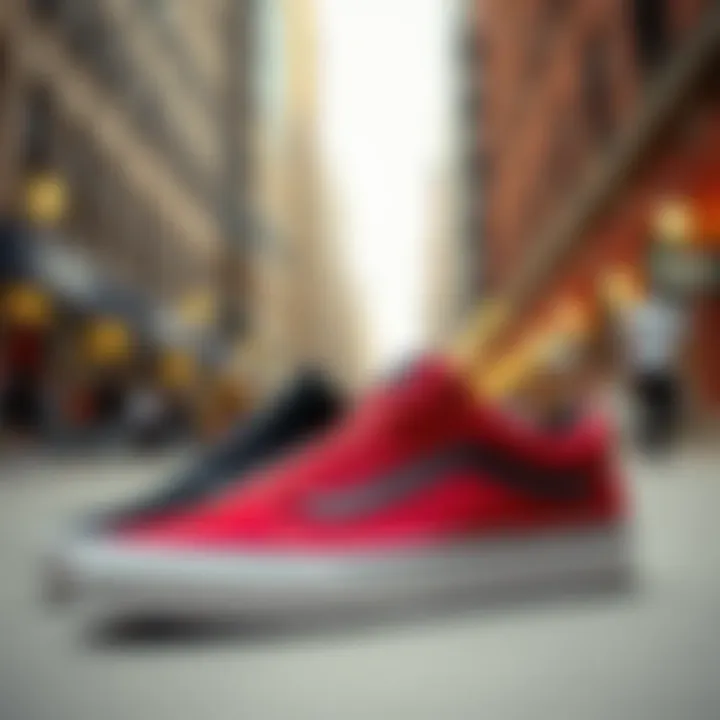
"Nike’s strategy reflects an understanding of not just the technical needs of skaters, but their personal connection to the lifestyle and culture surrounding sport."
The design philosophy of Nike in skate footwear is a thoughtful amalgamation of advanced technology, cultural relevance, and aesthetic appeal. It demonstrates how the brand not only responds to the needs of today’s skaters but also anticipates the future trends within the community.
Design Philosophy of Vans
The design philosophy of Vans is a crucial piece of this puzzle when comparing it to Nike in the world of skate footwear. Vans has carved out a unique niche through its emphasis on authenticity, functionality, and style. Their designs aren’t just about looking good; they embody the spirit of skateboarding culture itself. With deep roots in the skate community, Vans designs its shoes to meet the specific needs of skateboarders, making it a go-to choice for many.
Classic Aesthetics and Functionality
Vans has always maintained a balance between aesthetics and practicality in its footwear. The classic look of Vans shoes is not accidental. The brand’s designs often reflect a minimalist style that resonates with the roots of skate culture. From the iconic checkerboard pattern to the simple silhouette of the slip-ons, Vans shoes are instantly recognizable. These styles are rooted in Californian skate culture, becoming synonymous with the lifestyle.
But it's not just about appearance. The functionality of Vans shoes is equally impressive. Designed specifically for skating, they feature:
- Durable Materials: The canvas and suede are selected for their robustness, being able to withstand the strains of heavy use.
- Vulcanized Soles: This technology enhances grip and board feel, allowing skaters to perform complex tricks without losing control or balance.
- Padded Collars: Some models come with cushioned collars for added support, crucial for those long skate sessions.
In essence, Vans shoes combine classic aesthetics with functional design, offering wearers both comfort and style—two essential elements for any skateboarder.
Signature Styles and Patterns
One of the fascinating aspects of Vans is their diverse range of styles and patterns. Each design tells its own story, appealing not just to skaters but also to those who appreciate streetwear and fashion. The brand often collaborates with artists, graphic designers, and even bands, creating unique collections that feature:
- Custom Graphics: Collaborations often result in shoes that showcase original artwork, adding a personal touch.
- Limited Editions: These releases create a buzz among consumers, resulting in collectible pieces that are as much about culture as they are about skateboarding.
- Timeless Patterns: The classic checkered pattern and various stripes have become emblematic, representing a laid-back yet edgy lifestyle.
Vans successfully thrives on the idea that its shoes can be a canvas. Each pair can reflect individuality while simultaneously staying true to the brand's history within the skating community.
"Vans embodies the spirit of rebellion and creativity that is at the core of skateboarding culture; it’s not just footwear, it’s a lifestyle choice."
The design philosophy of Vans demonstrates that shoes can transcend their practical use, becoming symbols of a culture and expressions of individuality. As we examine the future trends in skate footwear, the importance of a brand that respects its roots and continues to innovate will be undeniable.
Performance Analysis: Nike Shoes
In assessing the world of skate footwear, Nike's performance metrics play a vital role. It's essential to delve into how these shoes serve skaters, particularly focusing on two core elements: grip and durability, as well as comfort and support. A solid performance analysis can illuminate why some skaters choose Nike over other brands, particularly in competitive and recreational scenarios.
Grip and Durability
When you're bombarding the streets on your skateboard, grip is king. Nike shoes are often lauded for their advanced rubber outsole technology, which provides superior traction. It's not just about looking sharp; it’s about having a shoe that grips the board like your grandma's cookies stick to the pan. This is achieved through various proprietary materials and designs that help skaters maintain control, whether they're doing tricks or simply cruising around.
Some noteworthy technologies include:
- NikeGrip: This technology keeps your feet locked to the board, offering a non-slip performance that feels almost like it's second nature.
- Durable Upper Materials: Many Nike skate shoes incorporate synthetic overlays, reducing wear and tear while increasing the shoe’s longevity.
The resilience of these shoes is particularly beneficial for those who spend hours grinding rails and popping ollies. Over time, this durability translates to better value for skaters who prioritize their gear' performance and lifespan.
"When you invest in a good pair of skate shoes, you’re not just buying style; you’re investing in your craft."
Comfort and Support
Jumping aboard your skateboard is so much more than just a casual ride; it’s a commitment to your feet, and comfort is paramount. Nike designs their skate shoes to envelop the foot snugly, providing essential support that can help prevent fatigue and cramping during extensive skate sessions.
Here are some features aimed at boosting comfort:
- Cushioning Technologies: Many Nike shoes include responsive cushioning elements like Zoom Air, offering a soft land and optimal energy return. You could say they work like a trampoline for your feet, easing the impact during those tough landings.
- Anatomical Footbeds: A custom fit is crucial for skateboarding. The footbeds in Nike shoes are designed to align with the natural shape of the foot, providing adequate arch support for sustained wear.
In summary, the performance analysis of Nike shoes emphasizes not just marketing jargon but actual benefits for skaters. Understanding grip and durability alongside comfort and support can significantly influence a skater's performance and experience, making it essential reading for anyone serious about their skate game.
Performance Analysis: Vans Shoes
When it comes to skateboarding, the shoes you wear can significantly affect your performance. This section delves into the importance of performance analysis for Vans shoes, exploring the characteristics that make them a go-to choice for many skaters. Key aspects like board feel, flexibility, and longevity come into play, making Vans a staple brand in the skate culture.
Board Feel and Flexibility
Board feel and flexibility of Vans shoes are two vital elements that contribute to a skater's overall experience. The term "board feel" refers to the sensitivity and connection a skater has with their board while performing tricks. Vans shoes are engineered with low-profile soles that provide a direct connection with the board. This design allows skaters to get a better understanding of how their board reacts to movement, crucial for executing precise tricks.
Flexibility plays an equally important role. A flexible shoe allows skaters to bend their feet naturally while maneuvering, which is essential for optimum performance.
- Maximum Mobility: Vans utilizes a soft rubber outsole, which promotes natural foot movement.
- Articulated Design: The shoe's construction incorporates flex points, enhancing the natural bending motion of the foot.
For skaters, this means more control during flips and landings. The feedback from the board becomes immediate, allowing skaters to make quick adjustments. In many ways, this is like a dancer feeling the rhythm of the music, where every nuance matters.
Longevity in Usage
Longevity in usage is another reason Vans shoes hold a revered spot in skateboard culture. Skaters don't just need footwear; they need gear that can withstand the wear and tear that comes with their lifestyle. Vans employs high-quality materials that are designed to endure the rigors of daily skating.


Some factors that contribute to the longevity of Vans shoes include:
- Reinforced Stitching: Vans often double-stitch critical areas, preventing rips and tears which can shorten the lifespan of the shoe.
- Durable Uppers: Many Vans models use canvas or suede uppers, which offer a good balance of durability and comfort.
- Quality Rubber Soles: The rubber used is specifically designed for grip and long-lasting performance, ensuring skaters can use their footwear for longer periods without significant loss in traction.
In a world where skaters are always pushing limits, having shoes that can take a beating without falling apart is priceless. Vans shoes serve both practical and aesthetic needs: they perform well, look great, and can endure the unpredictable nature of skateboard tricks.
"Choosing the right skate shoes is like picking the right partner for a dance; it’s all about finding that perfect balance."
In summary, the performance analysis of Vans shoes reveals a brand committed to delivering outstanding board feel and flexibility while ensuring longevity for skaters. The thoughtful design features resonate deep with a dedicated audience that values functionality alongside style.
Cultural Relevance of Nike in Skateboarding
The cultural footprint of Nike in the skateboarding realm is vast and powerful, resonating with the hearts and minds of many skaters and enthusiasts alike. This dominance isn't simply about the shoes themselves; it reflects a broader influence that extends to fashion, music, and lifestyle.
Nike’s ability to connect with the skateboarding community springs from its understanding of the culture's nuances. By actively engaging with skaters and respecting their values, Nike has become more than just a footwear brand—it’s become a symbol of style and performance. The brand's presence in skateparks and urban landscapes signals that it embraces authenticity, contributing to the dynamic between skaters and their gear.
Furthermore, the collaboration between Nike and the skateboarding scene is symbiotic. Skaters appreciate a brand that represents their ethos, while Nike, in turn, derives insights to refine their offerings and cater to its audience's demands. This relationship is not just transactional; it creates a deeper bond that fosters community and belonging.
Influence on Skate Trends
Nike's impact on skate trends is paramount. Over the years, the brand has not only followed trends but also played a critical role in shaping them. One can notice how certain models have become staples in the skater's arsenal. The Nike SB Dunk, for example, transformed from a basketball shoe to a skater's favorite, highlighting its versatility.
Skate culture often embraces a unique blend of innovation and nostalgia, which is where Nike shines. By incorporating cutting-edge technology while still nodding to traditional aesthetics, the brand appeals to both seasoned skaters and newcomers. For instance, the adoption of lightweight materials and better grip keeps skate shoes functional without sacrificing style.
- **Features that have defined Nike’s influence: **
- Collaborative releases that connect with influential skaters create authenticity.
- The emphasis on performance through design innovations.
- Collections that reflect streetwear trends, appealing to a broader audience.
Nike's designs not only enhance performance but also contribute significantly to personal style among skaters.
Partnerships with Pro Skaters
Nike's collaboration with professional skaters has further solidified its position in the skateboarding community. These partnerships are vital in creating footwear that meets the rigorous demands of skateboarding while ensuring aesthetics that resonate with fans. When a professional like Paul Rodriguez or Nyjah Huston dons Nike shoes, it sends a clear message to aspiring skaters: these shoes represent not just a brand, but also values of dedication and performance.
This collaboration allows Nike to gain first-hand insights into what athletes need. Pro skaters are often involved in the design process, ensuring that the shoes cater to their unique styles and skating techniques. The brand beckons the skater community closely; it allows the culture to influence their product lines directly.
- Noteworthy partnerships include:
- Nyjah Huston, representing modern street skate style.
- Paul Rodriguez, known for blending technical ability with street aesthetics.
This connection fosters trust within the community and cultivates a sense of pride among those who wear Nike, knowing their shoes have been designed with input from influential figures in the skateboarding world.
Together, these elements illustrate that Nike's relevance in skateboarding extends beyond mere footwear; it's about the culture, the community, and the integration of style and performance.
Cultural Relevance of Vans in Skateboarding
The cultural significance of Vans in the skateboarding realm stretches far beyond just a brand of footwear. It intertwines deeply with the identity of skate culture itself, capturing ethos and energy. Skateboarding, often viewed as not just a sport but a lifestyle, has always demanded authenticity, and Vans has matched this with every shoe they've crafted.
Authenticity and Community
Vans isn't merely recognized for their shoes; they are a staple in the fabric of skateboarding culture. The brand embodies a unique authenticity that resonates with skaters worldwide. From the iconic checkerboard patterns to the classic Slip-On style, Vans has etched itself into the hearts of many. This authenticity stems from the brand’s understanding of the skate community—each design, each collaboration reflects the voices and the stories of skateboarders themselves.
Vans has also built a sense of community that is both inviting and inclusive. Their events—be it small local contests or grand exhibitions like the Vans Park Series—foster connection among skaters. The brand’s initiatives to include underrepresented skaters highlight their commitment to diversity, allowing individuals from all walks of life to embrace skating without barriers. This authentic engagement showcases Vans’ role not just as a company but as a community ally, dedicating resources to uplift the very culture that fuels their brand.
Sponsorship of Events and Riders
A key player in the growth of skate culture has been Vans' sponsorship activities. The brand has taken pride in nurturing talent through its various sponsorship initiatives. They have mobilized resources to support professional riders, integral to fostering the next generation of skateboarders. This sponsorship isn't just about the financial backing of riders; it also conveys a powerful statement about their investment in skateboarding as a whole.
Furthermore, Vans sponsors numerous events, offering skaters a platform to showcase their skills. From local demos to the prestigious Vans US Open of Surfing, these gatherings not only spotlight talent but also bring together the skateboarding community for shared experiences.
Vans' commitment to holding and supporting these events has cultivated a vibrant skate culture that thrives on competition, camaraderie, and collaboration. Many of the top names in skateboarding—think Tony Hawk or Chris Joslin—are often seen sporting Vans, which places them at the forefront of the sport, further entrenching their brand in the cultural landscape of skateboarding.
"Vans is not just a brand; it’s a way of life for skaters. The shoes tell a story and walk the path of every skater who has ever pushed concrete."
In summary, the cultural relevance of Vans in skateboarding is undeniable. Through authenticity, community engagement, and substantial investment in riders and events, Vans has solidified its place as a pillar of skate culture. For many skaters, reaching for a pair of Vans doesn't simply mean choosing shoes; it signifies an alignment with a lifestyle that values freedom, creativity, and a shared passion for skating.
Consumer Preferences: Nike vs. Vans
Understanding consumer preferences between Nike and Vans in the skate footwear market is not just an academic exercise; it’s crucial for brands, retailers, and skaters alike. The choices made by consumers often reflect deeper values and culture in the skateboarding community. Skateboarders tend to appreciate footwear that aligns with their identity, functionality, and budget. Therefore, discussing brand loyalty, market perceptions, and price sensitivity reveals much about how each company resonates with its audience.
Brand Loyalty and Perception
Both Nike and Vans enjoy strong brand loyalty, yet the reasons behind this allegiance often diverge. Vans, with its deep roots in the skateboarding scene, cultivates a sentiment of authenticity. Many skaters see the brand as a representation of true skate culture. The classic checkerboard pattern has become a staple not just in skateboarding but in broader circles as well. For many, opting for Vans is akin to wearing a badge of honor that showcases a commitment to the sport’s history and ethos.


On the other hand, Nike has carved a niche by blending athletic performance with streetwear. Their collaborations with professional skaters and cultural icons add layers of appeal, capturing the attention of younger generations. Nike is often perceived as more mainstream, and that can create an alluring mystique. For some, wearing Nike signifies being on the cutting edge of trends, even if that means veering away from the sport’s underground roots. Surfers of the skate culture wave have definitely made their choice based on what they feel defines them.
"Brand loyalty is not just about products; it’s also about how these brands engage with the community and inspire individuals."
Price Point Considerations
Price is a decisive factor for many skateboarders and their families. Vans typically offers a more affordable range of options without skimping on quality. Their accessibility appeals to younger skaters or parents who might be purchasing for their kids. Moreover, the durability of Vans shoes in skateboarding contexts provides excellent value, making the brand a solid choice for budget-conscious consumers.
Contrast that with Nike, which has positioned itself in the higher price bracket. While the upfront cost may deter some, many consumers argue that the advanced technologies incorporated into Nike's designs justify the price. For serious skaters, investing in a pair of Nike shoes can mean stepping into higher performance capabilities, like improved grip and ankle support. As a result, many athletes conceive this an investment in their craft, looking at the costs in terms of potential returns—be it performance gains or longevity in use.
In summary, both brand loyalty and price point considerations create a complex landscape where consumers must navigate their choices. Whether one leans toward the appealing nostalgia of Vans or the innovative edge of Nike, each decision reflects a personal identity and connection to the culture – defining who they are both on and off the board.
Sustainability in Skate Footwear
In the modern age, sustainability is not just a buzzword; it has turned into a commitment for brands looking to make a significant impact on the environment. For skateboarders and sneakerheads alike, the shoes we choose to wear can have real consequences on the planet. It’s vital for brands like Nike and Vans to adopt eco-friendly practices that not only reduce harm to the environment but also promote a healthier lifestyle for consumers.
Sustainable practices in skate footwear offerings encompass a variety of factors, including the materials used in production, the manufacturing process, and the longevity of the products. Choosing brands that prioritize sustainability means supporting efforts to minimize waste, lower carbon footprints, and promote recycling initiatives. Apart from environmental benefits, these approaches can lead to innovation, showcasing new techniques and technologies that enhance performance while being easier on our planet.
The next sections will delve into how Nike and Vans are incorporating sustainable practices in their operations, sharing their journeys and the efforts to reduce their footprints and contribute positively to the skate culture and environment.
Nike's Sustainable Practices
Nike has embarked on a journey towards sustainability by integrating eco-conscious values into its business model. One of their main initiatives is the Move to Zero campaign, aiming for zero waste and zero carbon. This program places an emphasis on reducing the environmental impact throughout the product lifecycle. A few highlights of Nike's sustainable practices include:
- Use of Recycled Materials: Many of Nike’s skate shoes are crafted from recycled plastics, rubber, and other materials. For instance, their Flyleather and Nike Air soles make use of leather scraps and recycled plastic fibers.
- Circular Economy Initiatives: Nike has been implementing take-back programs, allowing customers to return their old shoes for recycling. This reduces waste significantly and gives these products a second life in various forms.
- Sustainable Manufacturing: The company continuously invests in innovative technologies that consume less water and energy during the manufacturing process, aiming for sustainability without sacrificing quality or performance.
These practices not only appeal to eco-conscious consumers but also have begun to reshape the industry standards for skate footwear.
Vans' Commitment to Recycling
Vans has also made significant strides in making their practices more sustainable, particularly focusing on the concept of recycling. Their commitment to sustainability is reflected through several programs and initiatives:
- Eco-Friendly Materials: Vans works on utilizing organic, sustainable materials wherever they can. This means sourcing materials that are less harmful to the planet while still providing the durability necessary for skateboarding.
- Vans' Recycle Your Vans Program: This initiative encourages customers to return their used Vans shoes for recycling. Once collected, these shoes can be processed into new materials, reducing landfill waste effectively.
- Sustainability Reporting: Vans regularly shares its sustainability goals and progress with consumers, maintaining transparency in how they are reducing environmental impact. This helps build consumer trust and encourages loyalty within the skate community.
Using this lens of sustainability, Vans not only seeks to produce exceptional skate footwear but also collaborates with the skateboarding community to ensure a shared vision of an eco-conscious lifestyle.
"In the end, it’s about building a future without harm, where comfort meets responsibility," a sentiment echoed by many environmentally-conscious brands.
Future Trends in Skate Footwear
The landscape of skate footwear is continually evolving, driven by advancements in technology, shifts in consumer preferences, and a complex interplay of cultural influences. Understanding these future trends is crucial for anyone involved in the skateboarding community, from skaters to retailers and marketers. Analyzing what's on the horizon helps brands like Nike and Vans tailor their offerings to meet changing needs while also addressing sustainability concerns. This section delves into the emerging technologies and the diversification of brand offerings, painting a picture of the future that could redefine skate culture.
Emerging Technologies and Materials
Innovations in skate footwear are accelerating, with brands increasingly leaning into advanced materials and technologies. Breathable fabrics and lightweight composites, for instance, are becoming paramount in design strategy. These materials not only enhance performance but also amplify durability. Brands are tapping into materials that promise to be more resistant to wear, which is essential for skaters who often push their gear to the limits.
- 3D Printing: This is one of the standout developments, allowing for customized shoe designs that fit perfectly to an individual's foot shape. This might also pave the way for on-demand production, reducing overstock and waste.
- Eco-Friendly Options: Materials derived from recycled plastics or organic compounds are making their way into mainstream products. With a growing emphasis on sustainability, brands are not just producing shoes but are also promoting a more sustainable lifestyle.
- Smart Footwear: Emerging technologies aren't limited to materials alone. The integration of smart features, like sensors that monitor foot health or performance metrics, is gradually entering the skate scene. Imagine a shoe that tells a skater about their foot pressure while riding!
Such advancements are not just gimmicks; they address real needs in the skating community. It’s about enhancing experience and providing tools that could elevate performance while being mindful of the environment.
Diversification of Brand Offerings
As we look towards the future, brands like Nike and Vans are broadening their portfolios to cater to a wider audience. This diversification goes beyond just colorways and sizes; it incorporates various aspects of skating culture.
- Lifestyle Lines: Both brands are expanding into lifestyle-oriented models that maintain the streetwear aesthetic. These offerings have begun to attract not just skaters but fashion-conscious consumers as well.
- Collaborative Releases: Unique partnerships with artists, musicians, and other cultural icons are becoming more common. This not only invites cross-industry innovation but helps to keep the brand relevant within popular culture.
- Inclusive Fit: There is a growing recognition of the need for footwear that accommodates different foot shapes and sizes. Brands are creating lines specifically aimed at diversifying inclusivity in skateboarding.
As the skateboarding community becomes more inclusive and diverse, the brands that acknowledge and adapt will likely thrive. This forward-thinking approach to product offerings is not merely a trend but a necessary evolution in an industry that prides itself on creativity and self-expression.
The future of skate footwear isn't just about shoes; it's about creating an ecosystem that adapts to the needs of its users while being conscious of the environment.
For more insights into skate culture and product evolution, you might explore these links:
The End
In contemplating the world of skate footwear, the final reflections on Nike and Vans reveal much about not just the shoes themselves but also the environments in which they thrive. This comparison between the two giants is about more than just brand loyalty or aesthetic preference. It uncovers deeper themes tied to community, identity, and the ethos surrounding skateboarding culture in general.
Importance of the Discussion
The importance of this discussion lies in its ability to shed light on the evolution of skate footwear and its relationship with skaters. Both Nike and Vans have carved out unique paths, each respecting the roots from which skateboarding sprang while still adapting to modern needs. Skaters are not merely consumers; they are part of a lifestyle that is influenced heavily by their choice of footwear. Understanding the nuances between these two brands allows skaters, parents, retailers, and marketers to make informed decisions. This issue is significantly influenced by factors such as personal performance, style, and sustainability.
- Community Impact: At their core, skate shoes are more than just performance gear; they represent affiliations, subcultures, and even personal identity. Vans often connect strong with the grassroots skate community by sponsoring events and riders who are seen as more authentic compared to mainstream brands. Meanwhile, Nike's efforts to leverage high-profile endorsements can sometimes create a disconnect, yet they bring innovation that many skaters appreciate.
- Cultural Significance: Nike's endorsement of professional skaters and investment in technology reflects broader trends in athleticism and performance. Conversely, Vans’ commitment to timeless aesthetics speaks to those who prefer a simpler approach that celebrates long-established skate culture.
- Sustainability and Future Considerations: As we move forward, the conversation isn't just about style or shock absorption. The increasing emphasis on sustainability has raised the stakes. Both brands are adapting, but they approach this with different philosophies. Nike’s sustainable practices aim for advanced innovation, while Vans focuses on community and recycling initiatives. The choices consumers will make in the coming years will hinge on a blend of performance, aesthetics, and ethical considerations.
Synthesis of Information
Through this evaluation, readers gain a coherent understanding of what each brand brings to the table. Nike's cutting-edge designs pair well with a diverse range of skater preferences, yet Vans stands reminiscent of the familiar and reliable nature of skate culture that many hold dear. As skateboarding continues to evolve, both brands influence and reflect the ongoing narrative.
In summary, the conclusion serves as a cold reminder that while choices in skate footwear may seem trivial at first glance, they are deeply intertwined with identity, community, and ethics. Understanding Nike and Vans is crucial in navigating the skateboarding landscape, whether one is a newcomer to the sport or a seasoned veteran.