Exploring the Aesthetics of Graphic Tees in Skate Culture
Intro
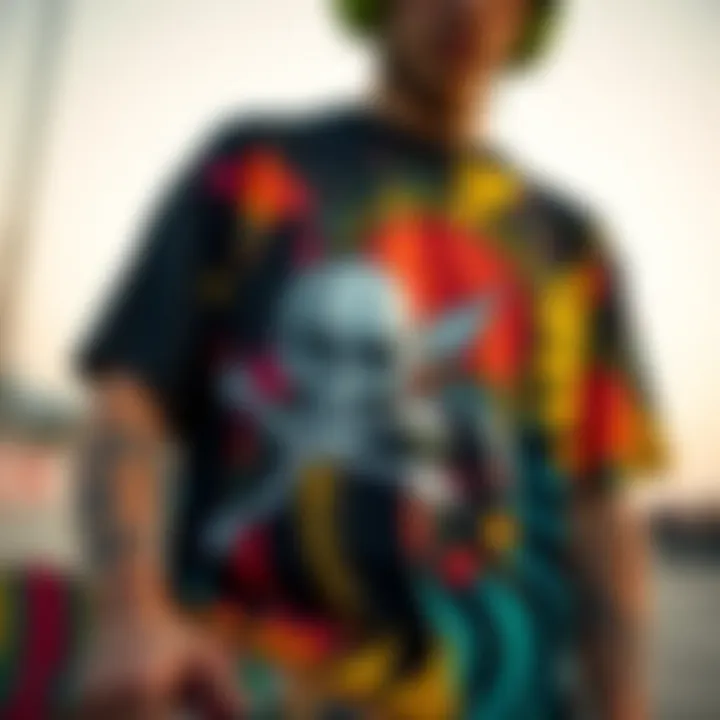
In the world of skateboarding, the wheels aren’t the only thing that matters. The style, the culture, and the identity the sport fosters are equally significant. Central to this expression is the graphic tee, an article of clothing that has become a canvas for creativity and individuality. Skate culture and graphic tees are intertwined, forming a tapestry rich with artistic significance and personal narratives. Each graphic tells a story, whether it’s about a beloved skate spot, a nod to a favorite band, or a commentary on society itself.
Cultural Significance
As skateboarding evolved from a niche pastime to a global phenomenon, the aesthetic elements, particularly graphic tees, played a pivotal role in this transformation. Brands like Thrasher, Supreme, and Anti-Hero have become iconic, their graphics not just promoting products, but instead, creating a sense of belonging. These tees often symbolize rebellion and freedom—core values of the skateboard ethos. As riders share their stories through the bold logos or intricate designs they wear, they unknowingly contribute to the larger narrative of skate culture.
Graphic tees are more than just a way to cover one’s torso; they are a statement. They reflect personal beliefs, artistic inclinations, and social awareness. A skateboarder’s choice in shirts speaks volumes about their identity within the community. This blend of personal and communal expression has led to the rise of graphic tees as an essential part of skateboarding culture.
Artistic Expression
The artwork on graphic tees varies widely, often drawing inspiration from various art movements, punk aesthetics, or even street art.
- Illustrative Designs: Some tees boast vivid illustrations that capture the adrenaline of skateboarding.
- Abstract Art: Others take a more abstract approach, using colors and shapes to evoke feelings rather than represent reality.
- Typographic Graphics: Words and slogans also have their place, making powerful statements that resonate with both the wearers and onlookers.
Each design usually tells a personal narrative or connects with something larger in skate culture. Influences can be traced back to the punk music scene, political movements, or even pop culture icons. As a result, these tees often resonate deeply within the hearts of wearers and admirers alike.
"Graphic tees are a way for skateboarders to express who they are without saying a word. Each thread is woven with meaning, and each design is a piece of history."
Community Identity
Being part of the skate community means embracing a shared identity. Graphic tees amplify this sense of camaraderie. When skateboarders wear similar designs, it creates an unspoken bond. It becomes clear that they share experiences, challenges, and victories on and off the board.
This communal identity is particularly important in an era where individualism is often celebrated. The graphic tee emerges as a unifying force amidst diverse styles and backgrounds. Retailers have realized this too, adopting the idea of limited releases or collaborations that cater to whatever niche flavor the community craves, making the quest for the perfect tee a significant aspect of skate culture.
Summary
To summarize, graphic tees in skate culture extend far beyond mere apparel. They hold the weight of artistic expression, cultural significance, and an emblem of community identity. As the skateboarding scene continues to thrive and evolve, the role of these beautiful graphic tees will undoubtedly adapt, serve, and reflect the vibrant history and dynamic narratives of the skateboarders who wear them.
Prelims to Graphic Tees
The world of graphic tees weaves a vibrant tapestry within skateboard culture, immersed in color, edginess, and expression. These shirts do not just serve a functional role; they are a canvas where personal stories, affiliations, and artistic inspirations come to life. Their significance transcends mere clothing, making them crucial markers of identity in the global skate community. The picturesque designs reflect the rich history of skateboarding while also showcasing innovative artistry that evolves with the times. Through these tees, skateboarders can express individuality while being part of a collective conversation about style and culture.
Graphic tees uniquely blend art and fashion. They signal not just personal taste, but often announce allegiances to certain brands, artists, or movements. They carry a visual language that resonates deeply with wearers, creating a sense of belonging and unity among enthusiasts. Furthermore, graphic tees often encapsulate the spirit of rebellion associated with skate culture, making them essential pieces in any skateboarder's wardrobe. This section serves to illuminate their importance and explore the key elements that fuel their enduring appeal.
Definition and Historical Context
Graphic tees, at their core, are t-shirts adorned with printed designs or graphics, ranging from simple logos to complex artworks. The roots of the graphic tee can be traced back to the 1950s when they emerged as casual wear, popularized by companies like Fruit of the Loom and Hanes. Initially, the simplicity of plain whites began to shift after the introduction of printed slogans and images. As times changed, so did fashion, and by the 1980s, the punk and skate scenes embraced these shirts, embedding them into the culture.
This evolution didn't happen smoothly. Skateboarding, once considered a fringe activity, initially found itself marginalized. Yet, as the movement grew, graphic tees began to symbolize not just a trend, but also a form of protest. They became ways for skateboarders to voice their beliefs, represent their styles, and connect with each other. From artists designing iconic skate brands in the 1990s to today's collaborations with high-fashion houses, graphic tees continue to embody the shifting landscape of skate culture.
The Rise of Graphic Tees in Skate Culture
The ascendancy of graphic tees in skate culture relates closely to the rise in youth subcultures during the late 20th century. Skateboarding was not just a sport; it became a lifestyle, encapsulating freedom, creativity, and a sense of community. The aesthetics of skateboarding often reflects a defiance against the norms, and graphic tees encapsulated that ethos beautifully.
In various dot-com garage startups to massive enterprises like Vans and Element, graphic tees have remained a staple, allowing individuals to express their style without pretense. Design elements such as bold colors, intricate illustrations, and memorable slogans provide a way for skateboarders to not only pave their paths but also to create their identities in vibrant and sometimes controversial ways.
As skateboarders began to adopt these graphic tees, they inadvertently created a culture where art and self-expression flourished. Successful brands and viral designs represented more than just a product; they became a statement. The imagery, often influenced by underground movements and local artists, transformed the humble shirt into a cultural artifact.
Through stories told by graphic tees, we see a mirror reflecting the trials and triumphs within the skate community. Thus, understanding this rise not only enhances our appreciation of graphic tees but also highlights their integral role in shaping the visual landscape of skate culture.
Understanding the Art of Graphic Design
Graphic design represents a dynamic intersection of creativity and communication, especially within skate culture where visual aesthetics hold significant sway. Understanding the art of graphic design isn’t merely about appreciating beautiful visuals; it encompasses the deep narrative woven into each design that speaks to identity, freedom, and community among skateboarders.
At its core, graphic design in this context reflects the artistic expression of the individuals who wear the tees. The visuals often mirror the rebellious spirit of skate culture, making each shirt more than just apparel—it is a badge of belonging and a powerful medium to relay messages. Unique designs can convey ideals from nonconformity to personal experiences, which resonates deeply with skateboarders who often seek individuality in a world that pressures conformity.
Influential Graphic Designers in Skateboarding
Skateboarding has given birth to numerous unique voices in graphic design, each leaving a memorable mark. Designers such as Ed Templeton and Jamie Thomas have seamlessly blended their artistic talents with skateboard culture, creating graphics that aren't just eye-catching but tell a story that is intrinsically linked to the skating experience.
Ed Templeton, for instance, embodies a keen observation of youth culture through his artwork, often channeling themes of nostalgia and rebellion. On the other hand, Jamie Thomas has used his platform to promote street art-inspired visuals, which transcend traditional design by bringing raw, unpolished aesthetics to the forefront.
These artists demonstrate how influential graphic design can be when it resonates with the lifestyle and ideas prevalent within the skate community. Their works give skateboarders a sense of artistic ownership, fueling a creative dialogue that goes beyond the skating realm.
Key Elements of Effective Graphic Tees

Effective graphic tees possess several crucial elements that elevate them from basic clothing to iconic pieces of art. To effectively communicate a message, designs need to balance several factors:
- Visual Appeal: The aesthetic quality must draw attention. This often involves bold colors, striking imagery, or clever text that appeals to the viewer’s eye.
- Cohesive Branding: A well-designed tee reflects the ethos of the brand. Whether it’s minimalistic or loud, the design communicates the identity and core values of the brand clearly.
- Emotional Resonance: An effective graphic tee doesn’t just look good; it tells a story or evokes an emotion, whether that's nostalgia, humor, or defiance. This can help forge a connection with the wearer.
- Quality of Materials: Beyond design, the feel of the tee matters. A good graphic tee combines a thoughtful design with quality fabric that holds up against the rigors of skateboarding.
By marrying these elements, designers create graphic tees that not only look good but also serve as vehicles for expression and connection within the skateboarding culture.
"Graphic tees in skate culture serve as a canvas for self-expression, intertwining art and personal identity at every level."
As the skate scene continues to evolve, understanding the art of graphic design becomes increasingly crucial. Each shirt encapsulates a slice of culture, turning daily attire into a movement of creative expression. This exploration of graphic design in skate culture is just one facet of a wider narrative, a narrative that continues to grow as skateboarders redefine their space in both the art and fashion realms.
Cultural Significance of Graphic Tees
Graphic tees hold a significant place within skate culture, serving not just as clothing, but as a powerful vehicle for personal and cultural expression. Their appeal transcends the mere fabric; they embody attitudes, beliefs, and the very essence of the communities they emerge from.
From the streets of California, where skateboarding was born, to urban skate parks around the globe, graphic tees have woven themselves into the very fabric of skate identity. They are a canvas that portrays individual stories, societal issues, and artistic trends, thus establishing their importance in the larger narrative of skateboarding culture.
Graphic Tees as a Form of Self-Expression
The beauty of graphic tees lies in their ability to serve as a form of self-expression for skateboarders. Each shirt can reflect the wearer's personality, interests, and affiliations. The graphics can be humorous, abstract, or politically charged, making a statement beyond words.
For example, when an individual dons a graphic tee featuring a rebellious punk design, they might be signaling their connection to the punk rock movement or their disdain for conformity. The imagery and text can act as a commentary on social issues, signaling awareness or dissent that resonates deeply within the skate community.
"The shirt you wear tells your story faster than your words ever could."
Moreover, many skateboarders view customization as an extension of their identity. They might choose tees with graphics from local artists or those that are part of limited collections, creating a sense of exclusivity and ownership over their style. This affinity for unique designs fosters individuality while contributing to a broader narrative within the culture.
The Role of Graphic Tees in Community Identity
Graphic tees also play a pivotal role in forging community identity. They help bind individuals within the skateboarding community together, creating a visual language that conveys belonging. For instance, wearing a tee from a prominent skate brand like Thrasher or Santa Cruz serves as a badge of honor, often indicating a sense of loyalty to a brand’s ethos and community.
In addition, skate events and competitions often feature specific graphic designs to promote and celebrate the culture. Such events foster unity; attendees often wear matching tees or those depicting the event's graphic theme. This collective display fosters camaraderie, inviting skateboarders to share in the experience, emphasizing that they are part of something bigger than themselves.
Furthermore, these garments often evoke nostalgia, as many designs reference iconic moments in skateboarding history. They inspire connections among older generations who can reminisce about their youthful days on the board and younger skaters who are just beginning to engage with the cultural roots of their beloved sport.
They serve as a platform for self-expression while simultaneously reinforcing community ties, fostering a unique interplay of individuality and belonging.
Their presence in skate culture shapes not only fashion trends but also acts as a mirror reflecting the evolving landscape of skateboarding itself.
Materials and Manufacturing
The world of graphic tees in skate culture doesn't stop at aesthetics alone. The materials and manufacturing processes play a pivotal role in shaping how these shirts not only look but also feel and function. Understanding the fabrics used and how they are made is essential for skateboarders and enthusiasts alike. After all, when choosing the perfect tee to ride in, factors like comfort, durability, and environmental impact are critical.
Common Fabrics Used in Graphic Tees
As you delve into the various graphic tees available in the market, you'll notice that they are primarily made from a handful of fabric types. Some of the most common fabrics include:
- Cotton: This is the gold standard for graphic tees. Soft, breathable, and relatively inexpensive, cotton makes for a comfortable wear while skating. Its moisture-wicking properties also help during those hot summer sessions. However, pure cotton can shrink over time if not washed correctly.
- Polyester: Often seen blended with cotton, polyester adds strength and durability. This fabric dries quickly, which is beneficial after a sweaty skate session, but it lacks the softness of cotton.
- Rayon: For those looking for a flowy, lightweight feel, rayon is a solid pick. It drapes beautifully and feels smooth against the skin. However, it’s less durable and can be prone to wrinkles.
- Blends: Many graphic tees utilize blends of cotton and polyester, combining the best of both worlds. This means that wearers often get the comfort of cotton with the added durability and moisture-wicking ability of polyester.
When choosing materials, skateboarders should also consider how the fabric interacts with graphic prints. Some inks bond better with certain materials, influencing how long the design lasts on the shirt.
Sustainable Practices in Production
Given the increasing consciousness around sustainability, the production of graphic tees has taken on a new angle. In skate culture, where community and identity are at the forefront, the demand for sustainable practices is on the rise. Here are some important considerations:
- Organic Materials: Many brands are now sourcing organic cotton, which is grown without harmful pesticides. This not only benefits the environment but also results in softer fabric that is less harmful to the skin.
- Eco-Friendly Inks: Traditional ink can contain toxic substances. Eco-friendly inks made from natural materials can provide vibrant colors while being less harmful to the environment. Skate brands like Element have started adopting water-based inks to reduce their ecological footstep.
- Recycled Fabrics: Using recycled fibers from old clothing or plastic bottles is another trend catching on. Brands like Patagonia have set the benchmark for incorporating recycled materials into their manufacturing processes, reducing waste significantly.
- Ethical Labor Practices: It's equally pertinent to consider who is making the clothes. Many companies are now being held accountable for the ethics of their supply chains. Supporting brands that prioritize fair wages and good working conditions not only aids the community but also resonates deeply with environmentally conscious skateboarders.
"Choosing a tee made from sustainable materials is not only good for the planet; it reflects a commitment to skate culture's core values: authenticity, freedom, and community."
In summary, the materials and manufacturing processes behind graphic tees weigh heavily on both performance and consumer choice in skate culture. Companies are stepping up to meet these demands, offering quality products that not only leave a mark on style but also on the environment.
As skateboarders consider their next tee, it's worth pondering how they fit into both the narrative and the fabric of skate culture.
Trends in Graphic Tee Designs
Trends in graphic tee designs hold a significant place in the dynamic realm of skate culture, impacting styles, identities, and artistic expressions within the community. As skateboarders navigate the streets and skate parks, their chosen graphic tees do more than simply dress their bodies; these tees narrate personal stories, articulate cultural statements, and convey aesthetic preferences. The flux of trends influences not only how individuals design their clothes but also how the collective skate community perceives and embraces various artistic styles.
Current Design Trends Influencing Skate Culture


Presently, several design trends have begun to emerge, shaping the landscape of graphic tees in this culture. One pivotal aspect is the resurgence of retro graphic styles. Influenced by the raw vibrancy of past decades, designs often feature bold colors, vintage logos, and nostalgic imagery. These designs hearken back to the essence of skating’s early days, drawing in long-time enthusiasts while attracting a younger audience enamored by the revival of all things vintage.
"Skate culture thrives on nostalgia; it reminds us of our roots and connects generations through shared experiences."
Moreover, the infusion of street art aesthetics has blossomed within skateboarding. Street artists, with their vivid murals and bold messages, have made the transition from walls to wearable art seamlessly. Graphics often carry visual metaphors that resonate deeply with skate culture’s intrinsic rebellious spirit. Acclaimed street artists have collaborated with brands or independent customizers to produce unique pieces that voters of the art world would appreciate.
Additionally, abstract patterns and minimalistic designs are carving out a niche as more skateboarders prefer subtlety over the noise of complex graphics. Simple yet impactful imagery often employs geometric shapes and muted color palettes that demand attention without overwhelming the observer. Likewise, sustainability has become a hot-button issue. Many designers are opting for eco-friendly themes, crafting visuals from natural sources, or focusing on organic materials. This trend reflects a growing awareness and commitment to environmental responsibility among skateboarders.
The Impact of Technology on Graphic Design
Technological advancements have reshaped the way graphic tees come to life in skate culture. The rise of digital printing technologies has revolutionized the production process, allowing for intricate designs and vibrant color applications that were hard to achieve with earlier methods. This opens doors for both established brands and emerging artists to create limited edition runs or custom designs with relative ease, making personal expression accessible to a broader array of individuals.
Furthermore, social media platforms have become the virtual canvas for idea sharing and inspiration. Many designers utilize platforms like Instagram and Pinterest to showcase their artwork, garner feedback, and find collaborations. Trendsetters within the skate community often scout for fresh graphics online before they hit the streets, creating a rapid cyclic flow of creativity.
Iconic Graphic Tees in Skateboarding History
The visual identity of the skateboarding world has, over the years, been strongly linked to the graphics on tees worn by its enthusiasts. Iconic graphic tees have not just served the functional need of clothing but have also carried the weight of culture, rebellion, and community. They are like postcards from various subcultures, easily recognized by skateboarders and non-skateboarders alike.
In the dynamic environment of skateboarding, these tees have documented shifts in styles, attitudes, and even music trends, making their exploration necessary for understanding skate culture’s evolution. Moreover, these pieces of clothing are often more than mere fabric; they encapsulate stories, movements, and artistic expressions that speak volumes about the wearer’s identity and affiliations.
Case Studies of Notable Brands
When discussing graphic tees in skate culture, it’s impossible not to mention brands like Thrasher and Supreme. Thrasher’s logo, for instance, has become a symbol of skate rebellion since its inception. The brand's iconic flame logo has not only transcended the skateboarding realm; it has ignited discussions about fashion and identity. The tees have gained traction in streetwear, proving that skate culture can influence broader fashion landscapes.
Then there’s Supreme, which is often heralded as a trendsetter in the skate fashion arena. The brand’s collaborations, sometimes with entire collections centered around graphic tees, have stirred the pot in both skate and high fashion communities. For example, one collaboration paired Supreme with renowned artist Damien Hirst. Tees featuring his distinct designs offered a fresh take on how fine art could intersect with streetwear. These case studies highlight how brand identity and graphic design coalesce to create a cultural phenomenon.
Additional Notable Brands:
- Baker Skateboards: Known for its humorously absurd graphics and collaborations with some of the skate world's most celebrated riders.
- Anti-Hero: With graphics that resonate with the punk aesthetics of the skate world, Anti-Hero exemplifies a raw style that is both nostalgic and relevant.
Memorable Graphics that Defined Eras
Certain graphic tees have emerged not just as clothing items but as artifacts that documented pivotal moments in skate culture. For example, the now-famous "I (heart) NY" t-shirt became a canvas for adapting sentiments during different eras, particularly in the late '70s and '80s when skateboarding was experiencing a revival. During this time, many graphic tees were heavily influenced by music and art movements, making them honed tools for self-expression.
Another significant graphic was from Powell Peralta, featuring the iconic skeleton graphic known as "Bones Brigade." Representing the rebellious essence of skateboarding, this shirt not only appealed to the youth of its time but also immortalized an array of legendary skaters who made their mark during that period.
Furthermore, the graphic tees released in the early 2000s that showcased stark designs alongside the rise of street art mirrored societal shifts towards individualism. Artists like Shepard Fairey, known for the "Obey Giant" campaign, blurred the lines between art and commerce, leading to a distinct merging of social commentary into everyday wearable art.
The evolution of these memorable graphics often reflects broader trends within art movements, youth culture, and music, marking them as crucial pieces of skateboarding history.
"Graphic tees often tell a story – they embody the ethos of a place, a movement, or a feeling that resonates deeply within the skate community."
In essence, understanding these iconic graphic tees allows a deeper appreciation of not only skateboarding as a sport but as a cultural phenomenon full of artistic merit and historic significance.
Fashion and Functionality
When one thinks about skate culture, the first thing that usually comes to mind is the vibrant collision of art and athleticism. Graphic tees sit at the intersection of these elements, providing not just a way to express personal identity, but also fulfilling practical needs as clothing for an active lifestyle. For skateboarders, fashion is not merely about how one looks on the street; it’s about how they feel and what they wear while pushing their limits on a board.
How Graphic Tees Fit Into Skate Styling
Graphic tees play a vital role in shaping the looks that define skate culture. They are often at the forefront of individual style, serving as canvases for artistic expression. The bold colors, intricate designs, and sometimes provocative statements on these tees represent not just personal taste but also affiliations with brands, artists, or movements.
Here are a few key points on how graphic tees fit into the broader landscape of skate styling:
- Diversity of Designs: From edgy graphics that invoke punk and rebellion to simple, minimalist designs that reflect a more subdued aesthetic, the options are nearly endless. Each shirt can tell a story.
- Brand Influence: Many skateboard brands like Element and Thrasher have built their identities around iconic graphics. Wearing these tees suggests a cultural connection and an understanding of the sport’s roots.
- Layering Potential: Graphic tees function well in layers; under a flannel or a light jacket, they can add character to an outfit without compromising style or comfort.
Skateboarders often wear their graphic tees as badges of honor. They may opt for a tee that features an artist or a message close to their heart, further emphasizing how these garments contribute to a sense of belonging.
Balancing Comfort with Aesthetic Appeal
The balance between comfort and aesthetic is paramount in skate fashion, and graphic tees epitomize this tension perfectly. Skateboarding demands mobility; thus, the best graphic tees not only look good, but they also offer the functionality necessary for skateboarding.
It's essential to consider:
- Material Choice: The fabric used can make or break comfort. Lightweight cotton blends allow for breathability and ease of movement, ideal for those long sessions at the skatepark.
- Fit Style: A looser fit may offer more freedom during tricks, while a fitted tee might appeal for those looking for a sleek silhouette. Finding the right balance allows skateboarders to have both style and practicality.
- Durability: Graphic tees specifically designed for skateboarding often feature reinforced seams and high-quality prints that withstand the wear and tear of the sport.
Ultimately, a graphic tee that combines aesthetic appeal with the right materials and fit empowers skateboarders to ride with confidence and express who they are without sacrificing comfort. A well-chosen tee says, "I’m here to skate, I’m here to make a statement."

"In skate culture, what you wear has weight. It’s less about trends and more about identity and who you align with in a world that celebrates individuality."
As fashion continues to evolve within the skateboarding community, the importance of graphic tees remains unwavering. They exemplify the culture’s ethos—where art meets athleticism, creating a unique storytelling medium that resonates with skateboarders of all ages.
Personalization and Customization
The realm of graphic tees, especially within skate culture, is more than mere fashion. It's a canvas for self-expression, a shout from the rooftops of individuality. In an world where being unique is celebrated, the trend of personalization and customization has taken center stage. Skateboarders and enthusiasts alike are constantly on the lookout for ways to imbue their clothing with personal stories, messages, and aesthetics that resonate with their identity.
The Trend of Custom Graphic Tees
As we ride through the fast-paced currents of fashion, custom graphic tees are emerging as a powerful statement in streetwear. The appeal lies in their ability to encapsulate personal narratives, artistic visions, and social statements all in one design. For many skateboarders, their gear isn’t just about style; it’s about representation.
- Individuality: Customization allows for a distinctive style; no one wants to ride down the street in a shirt that dozens of others have. A custom graphic tee can reflect one’s personality or interests, making it uniquely yours.
- Community and Connection: Custom graphic tees can also exhibit affiliations to certain brands, events, or skate crews, which foster a sense of belonging. It’s not uncommon for local skate shops to host design contests, allowing individuals to showcase their talent while building community.
- Message Matters: Many graphic tees portray messages related to social issues or personal beliefs—a wearable platform that conveys what one stands for.
The trend is gaining traction due to the rise of various platforms that facilitate the creation and distribution of custom apparel. Companies like TeeSpring and Redbubble make it straightforward for anyone to design and even sell their own creations. With just a dash of creativity and a pinch of technical know-how, potential designers are crafting everything from abstract art to political statements on fabric.
DIY Approaches to Graphic Tee Design
For the hands-on skateboarder, diving into DIY approaches for graphic tee design can be an exhilarating experience. The essence of skate culture is derived from the idea of doing it yourself—creating rather than consuming. Here are some popular DIY methods:
- Screen Printing: This is a classic method where you can transfer designs using ink and stencils. It allows for vibrant colors and detailed graphics.
- Fabric Painting: Using fabric paint or markers, skateboarders can let loose their creativity directly on the tee, crafting one-of-a-kind designs.
- Iron-On Transfers: A simple way to customize tees with printed designs. Just print your graphic, cut it out, and iron it onto the shirt for a temporary yet personal flair.
- Upcycling: Taking old graphic tees and adapting them into something new is not just sustainable but also creates a unique piece. Adding patches or cutting portions to create fringe can breathe new life into worn-out fabric.
Embracing personalization in graphic tees encapsulates the very spirit of skate culture. Each motif serves as a marker of identity—each thread woven with personal history, community ties, and a testament to individual expression. These customized shirts don't just keep one warm; they're artistic garments that tell a story.
"In a world of mass production, a personalized graphic tee stands out, echoing the uniqueness of the individual who wears it."
Through the lens of personalization and customization, graphic tees become not just outfits but profoundly personal statements, transforming how skateboarders communicate their identities and creativity to the world.
The Future of Graphic Tees in Skate Culture
The world of skate culture is ever-changing, much like a skateboarder’s ride down a ramp—always adapting, shifting, and evolving. As graphic tees take center stage, their future holds some fascinating possibilities. The importance of discussing the future of these iconic pieces lies not just in trends but in the underlying cultural shifts they represent. With changing societal values and advancements in technology, the way graphic tees are designed and perceived continues to evolve.
Predictions for Upcoming Trends
As we glance into the crystal ball of skate fashion, several predictions surface regarding graphic tees:
- Sustainable Materials: With an increased focus on the environment, many brands will likely pivot to eco-friendly fabrics. Think organic cottons or recycled materials that appeal to conscious consumers.
- Augmented Reality: Imagine wearing a tee that comes to life through your smartphone. Expect designs that integrate augmented reality features, allowing wearers to interact with their clothing in ways that were previously unimaginable.
- Minimalist Designs: While vibrant graphics will always hold sway, there’s a slow trend toward minimalist aesthetics—simple lines and subtle nods to culture that speak volumes with less.
- Collaborations: Exclusive drops with artists and musicians could redefine what a graphic tee represents, merging skateboarding with other art forms and communities, leading to more cross-pollination of ideas and styles.
In this melting pot of fashion, those involved in skate culture will find these predictions exciting, as they not only reflect personal style but also a commitment to broader issues like sustainability.
The Evolving Aesthetic of Graphical Expression
As we look at the evolving aesthetic of graphic expressions in skate culture, it is clear that each design weaves a narrative. The graphics themselves are like snapshots of the culture, bursting with meaning and commentary. Here’s how the aesthetic is shifting:
- Cultural Commentary: Graphic tees are increasingly becoming platforms for social and political discourse, with designs addressing current events, movements, and social justice issues. People are using their clothing to voice opinions, turning their tees into canvases for change.
- Personal Narrative: More skate enthusiasts are opting to personalize their tees, expressing individuality through unique designs that make a statement about who they are and what they stand for. This trend emphasizes a departure from mass-produced graphics to custom creations that tell a personal story.
- Global Influences: As skate culture continues to spread globally, the aesthetics will incorporate and celebrate diverse influences—drawing from local traditions, art forms, and languages that enrich the visual landscape.
"Graphic tees appear to be more than a trend; they embody an entire way of life."
In summary, the future of graphic tees in skate culture is bright and promising. As these elements come together, graphic tees are destined to evolve beyond mere clothing, morphing into powerful symbols of identity, artistry, and activism.
Finale: The Lasting Impact of Graphic Tees
Graphic tees do not just represent clothing but act as a significant part of skate culture. Understanding their impact is vital to appreciate how these fabric canvases shape artistic expression and community identity. The appeal of a graphic tee often goes beyond its visual aesthetics; it resonates deeply with skateboarders and enthusiasts, serving as a means of self-expression, a badge of identity, and a connection to the larger skate culture.
The significance of graphic tees lies in the way they embody artistic storytelling. Each design encapsulates hours of thought, passion, and creativity, allowing the wearer to showcase unique preferences and perspectives. When a skateboarder wears a graphic tee, they are often making a statement—not just about their fashion choices, but about their values and experiences within the skateboarding world. The interplay of colors, themes, and typography in these tees speaks volumes about individual personalities and collective histories.
Additionally, these garments foster a sense of belonging. They create bonds between individuals who share similar tastes, styles, and experiences. A graphic tee can evoke nostalgia for an era in skate culture or commemorate iconic moments in skateboarding history. As such, these pieces of clothing connect the past with the present, allowing new generations of skaters to engage with the legacy of their predecessors.
Reflecting on the Intersection of Art and Identity
The fusion of art and identity is a fundamental aspect of graphic tees in skate culture. Each tee acts as a canvas displaying artistic expressions, where styles range from intricate illustrations to minimalist logos. This rich array makes it possible for individuals to narrate their personal stories through clothing. When skaters choose a tee featuring certain artwork or slogans, they often do so to signify their alignment with particular ideals or subcultures, such as rebellion, creativity, or community.
Graphic tees can also elevate artists and designers within the skateboarding community, giving them a platform to share their work. Many skateboarders often become enthusiasts of the art, fostering collaborative endeavors that influence fashion and visual culture significantly. It's clear that within this space, artistic expression is both a medium for personal reflection and a way to engage with a larger dialogue about identity in skateboarding.
"Graphic tees allow skateboarders to wear their identity and artistic passions on their sleeves—literally."
The Enduring Appeal in Skateboarding Culture
As skateboarding continues to evolve, the enduring appeal of graphic tees shows no signs of fading away. This longevity can be attributed to several factors. For one, the ever-changing nature of trends ensures that graphic tees juxtapose both current graphic design styles and timeless aesthetics, making them a staple in every skater’s wardrobe.
Moreover, the global nature of skate culture means that graphic tees are influenced by diverse artistic styles across various regions. This cross-pollination keeps the designs fresh and appealing, making graphic tees a source of inspiration for both wearers and designers.
In addition, the rise of social media platforms has elevated the visibility of graphic tees within skate culture. With platforms like Instagram and Reddit allowing users to showcase their styles globally, the demand for standout pieces has skyrocketed. Young skateboarders often look for unique graphic tees to emulate those they admire, reinforcing the idea that these garments play a pivotal role in individual and community identities.