
The Bart Simpson Backpack: A Symbol of Skate Culture


Intro
From the vibrant streets of skate parks to the casual corners of classrooms, the Bart Simpson backpack has carved out its own niche. With its playful design and nods to pop culture, this backpack is much more than just a container for books and gear. It symbolizes a lifestyle—one that merges the thrill of skateboarding with the unmistakable charm of The Simpsons. For skate enthusiasts and fans of the iconic show alike, it stands as a bridge between two realms: the dynamic world of skate culture and the enduring legacy of television history.
In this article, we'll journey through the aesthetics of the Bart Simpson backpack, delve into its cultural significance, and examine how it transcended basic functionality to become an integral part of lifestyle accessories. By exploring various styles and influences, we’ll unravel the impact this backpack has had on those who sport it. Are you ready to roll?
Skateboarding Tips and Tricks
Skateboarding is not just a hobby; it’s an art form, a lifestyle, and sometimes, a form of expression. Whether you're a newbie looking to find your footing or a seasoned skater wanting to level up, having the right tips can make a world of difference.
Essential Tricks for Beginners
Starting with the fundamentals is key. Here are some essential tricks any aspiring skater should master:
- Ollie: This basic maneuver is the foundation of most tricks and involves jumping while dragging the tail of the board.
- Kickflip: Once you've nailed the ollie, adding a flick of the foot can send your board spinning beautifully in the air.
- Pop Shove-it: This trick requires a solid ollie but involves the board spinning underneath you as you jump.
With practice, these tricks can become second nature, and they’ll start to impress your friends at the skate park.
Advanced Techniques to Master
For those who’ve got a grip on the basics and seek to push beyond, consider these advanced maneuvers:
- Heelflip: Similar to a kickflip but utilizes the heel to flip the board.
- Smith Grind: A trick that involves grinding with one truck on the edge of a surface while the other truck hangs off.
- Blunt Slide: Here, you'll need to land on a ledge with the tail hanging off while sliding.
Keep in mind that mastering these tricks takes not just skill but also a lot of patience. Remember, Rome wasn't built in a day, and neither are great skaters!
Cultural Significance of the Bart Simpson Backpack
The significance of the Bart Simpson backpack goes beyond mere aesthetics. This bag connects the wearer to a community deeply rooted in creativity and freedom.
“The skateboard is a blank canvas; the rider paints their own story.”
It reflects an attitude—a nonconformist spirit that Bart Simpson embodies. Through its bright colors and catchphrases, the backpack evokes nostalgia for a generation that grew up amused by Bart’s antics. It’s also a conversation starter, fostering camaraderie among skateboarders.
Enduring Legacy in Lifestyle Accessories
In a world where trends come and go like the wind, the Bart Simpson backpack finds its place as a lasting accessory within skate culture. Its bold visuals not only appeal to younger crowds but also resonate with older fans of The Simpsons. The blend of humor and style is what gives it an edge over other backpacks.
As retailers expand their offerings, they’ve noticed a steady demand for nostalgic merch. The Bart Simpson backpack isn't just a trend; it's a testament to how iconic media influences lifestyle choices.
Resources for Further Exploration
If you're keen on diving deeper into the skateboarding scene or the cultural ties of The Simpsons, check out:
Preface to the Bart Simpson Backpack
The Bart Simpson backpack stands not just as an accessory, but as a vivid emblem of both skate culture and the broader world of youth identity. Its significance goes beyond fabric and zippers; it embodies a spirit, an attitude that resonates with millions. In this section, we will delve into the importance of this iconic backpack and explore how it reflects the mindset and culture surrounding skateboarding enthusiasts.
Understanding the Bart Simpson backpack involves breaking down its multifaceted relevance. For skateboarders, carrying this bag isn't merely about practicality, but an expression of self-identity. It symbolizes rebellion, creativity, and a sense of community. When you see someone sporting this distinctive backpack, you can almost gauge their connection to the skate scene, their age group, and even their appreciation for pop culture. The backpack isn’t just a casual carry; it’s a statement of belonging, linking its owner to a long-standing tradition of skateboarding.
In discussing the Bart Simpson backpack, we must also acknowledge its design elements and the nostalgia it conjures. Many parents remember growing up watching The Simpsons, and for them, this bag evokes a warm sense of familiarity. Meanwhile, it captures the attention of new generations influenced by the show's humor and uncontainable energy. The backpack then becomes a bridge between ages and cultures, connecting past and present skaters.
Moreover, the colorful graphics and playful designs of the Bart Simpson backpack appeal to aesthetics, making it a desirable accessory beyond just function. The crux lies in striking a balance between style and usability, appealing to both skateboarders out for a day at the park and casual users who appreciate a fun piece of memorabilia.
As we investigate the core elements surrounding the Bart Simpson backpack, we will explore how it fits into the broader narrative of skate culture. The backpack’s design is grounded in the ethos of skateboarding, which prioritizes creativity, individualism, and personal expression. Through this exploration, we aim to uncover the enduring legacy of Bart Simpson, situating the backpack as an essential accessory in the landscape of skateboarding and youth culture.
Understanding the Essence of Skate Culture
To appreciate the Bart Simpson backpack fully, it’s vital to grasp the essence of skate culture itself. Emerging in California during the late 1970s and early 80s, skateboarding was more than just a sport; it was a lifestyle that combined artistry, rebellion, and community. At its heart, skate culture is characterized by a DIY ethos—skaters build their ramps, modify their boards, and even create their tricks. This spirit of creativity translates directly into the products that skaters choose, including backpacks.
The essence is also defined by a unique attitude—a blend of nonchalance and fierce determination. Skateboarders are often seen as outsiders, carving their paths away from mainstream expectations. The Bart Simpson backpack fits beautifully into this ethos, representing youth defiance and fun. As you watch skaters at a local park, the backpack quickly becomes a crucial part of their identity.
History of the Bart Simpson Character
Looking into the history of Bart Simpson adds another layer to understanding the significance of this backpack. Debuting in the animated television series The Simpsons back in 1989, Bart is a character synonymous with mischief and a carefree spirit. He represents the epitome of youthful rebellion—he is creative, witty, and unapologetically himself.
His catchphrases, like "Eat my shorts!" have resonated across generations, making him a cultural touchstone. For many, Bart symbolizes the challenges of growing up, faced with authority figures that seem out of touch. This connection to the character transforms the backpack into not just merchandise, but a part of the wearer’s identity.


As we dive deeper into Bart Simpson's history, we recognize how these traits have transcended the screen, filtering into various aspects of youth culture, including skateboarding. The adoption of the backpack as a fashion statement in skate circles illustrates that Bart is not just a cartoon character; he is an everlasting icon that continues to inspire and mobilize enthusiasts around the globe.
Design Elements of the Bart Simpson Backpack
The design of the Bart Simpson backpack plays a pivotal role in its appeal and popularity. This section explores various key components that contribute to its status as a cultural icon among skateboarders and beyond. The unique combination of materials, visual representation, and practical features all enhance its desirability and functionality, making it more than just a bag.
Material Considerations for Durability
When it comes to backpacks, durability is not just a buzzword; it's a necessity, especially for skateboarders who endure wear and tear from their daily adventures. The Bart Simpson backpack utilizes materials like high-denier polyester and nylon. These materials offer exceptional resistance against scuffs, tears, and the occasional spill when things get rough at the skate park. For instance, the use of reinforced stitching along the seams ensures that the bag maintains its integrity even when overloaded, giving skaters confidence that their gear won't be left in the dust.
Investing in these durable materials means that skaters do not need to replace their bags often, making it a wallet-friendly choice. This focus on lasting quality ties in perfectly with the values of sustainability and responsible consumerism, appealing to today's environmentally-conscious skateboarders.
Visual Aesthetic and Branding
The visual aesthetic of the Bart Simpson backpack is not just a feast for the eyes; it’s a statement piece. Bright colors and vibrant designs catch attention and evoke the playful essence of the beloved character. The backpack typically features bold prints of Bart, complete with his infamous catchphrases and poses. This branding taps into a nostalgic connection for older fans, while simultaneously appealing to younger audiences who appreciate quirky and edgy fashion.
Additionally, the backpack often comes in several styles, ranging from classic to limited editions. This variety allows a broader range of skateboarders to find a version that resonates with their personality and style. The brand also collaborates with artists and designers to release exclusive versions, enhancing the backpack's street cred and cult following.
Practical Features for Skateboarders
The practical features integrated into the Bart Simpson backpack demonstrate how design can meet functionality. One standout element is the dedicated skateboard strap. This essential feature allows skaters to attach their boards securely, simplifying transitions between skating and casual errands. It’s a godsend for those who want to keep their hands free while catching up with friends or grabbing a bite.
Pockets galore is another benefit. With specific compartments for laptops, water bottles, and small essentials like tools or personal items, organization becomes second nature. The padded back panel and adjustable straps enhance comfort, ensuring that skaters can wear the backpack for hours without feeling weighed down.
In summary, the thoughtful design elements of the Bart Simpson backpack highlight its functional, aesthetic, and durable traits. It is important for every skateboarder, and others who appreciate quality yet playful accessories, to consider these factors when choosing their gear. The combination of strong materials, vibrant designs, and handy features genuinely captivate both fans of The Simpsons and diligent skaters alike.
Cultural Significance of Bart Simpson in Skateboarding
The intersection of a beloved cartoon character and the dynamic world of skateboarding highlights an intriguing cultural phenomenon. The Bart Simpson backpack is not just a piece of gear; it symbolizes a broader trend that marries entertainment with youth culture. By analyzing Bart’s influence in this realm, we can spot key shifts in how skate culture, fashion, and media intertwine. The implications of this connection underscore fans' passion and their emotional ties to both skateboarding and The Simpsons.
From Screen to Skate Park
Bart Simpson, the perpetual troublemaker of Springfield, has transcended the small screen to become an icon within skateboarding. He’s not merely a cartoon child; he represents rebellion, wit, and the spirit of youth. When skateboarders don the Bart Simpson backpack, they carry more than just school supplies or skate essentials; they carry a piece of cultural commentary.
The backpack’s design taps into Bart’s skateboard antics; whether it’s his signature catchphrase “Eat my shorts!” or his mischief-driven personality, it incorporates elements that resonate deeply with skaters. These folks typically identify with a lifestyle that embraces individuality and freedom from societal constraints. This connection leads to a sense of belonging among skateboarders who feel they mirror Bart's renegade spirit.
Furthermore, the backpack prominently features Bart's likeness, combining nostalgia with functionality. It creates a visual narrative that strengthens the bond between the character and the skate community.
“The skateboard not only serves as transport; it embodies an attitude, much like Bart does.”
The Influence of Cartoon Characters in Youth Fashion
Cartoon characters, particularly those with a cult following like Bart Simpson, have significantly shaped youth fashion trends. As popular culture becomes more intertwined with personal expression, the way young people choose to adorn themselves with iconic imagery speaks volumes about their values and interests.
When considering cartoon motifs, several factors come into play:
- Nostalgia: Many skateboarders grew up watching The Simpsons, creating a nostalgic link that marries childhood memories with their current interests.
- Status Symbol: Owning a Bart Simpson backpack can be as much about showcasing one's identity as it is about utility. It’s akin to wearing a badge of honor; it signifies a shared cultural experience among peers.
- Trendsetting Power: As social media rises in popularity, platforms like Instagram and TikTok have facilitated the rapid spread of visual trends. Skateboarders sporting these backpacks in their online presence can inspire others to adopt similar styles, contributing to the cycle of influence within youth fashion.
Amidst this creative tapestry, the Bart Simpson backpack stands as a testimony to how animated characters seep into the fashion choices of les jeunes, shaping and being shaped by their cultural surroundings.
Social Media and the Bart Simpson Backpack
The relevance of social media in shaping popular culture cannot be overstated, particularly in the context of iconic products like the Bart Simpson backpack. These days, a backpack doesn’t just carry books or skate gear; it carries the weight of its cultural narrative, tapping into the fervor of a generation shaped by social media. Users on platforms such as Instagram and TikTok are not just consumers but trendsetters, giving life to the Bart Simpson brand through their personalized interpretations, effectively transforming the backpack into a dynamic canvas of self-expression.
It’s a two-way street; people may post pictures of themselves sporting the iconic backpack, but the brands are equally invested in curating their image online. Engaging with such visual platforms allows for direct interaction, shaping perceptions and driving desirability. The excitement around the Bart Simpson backpack doesn’t just stem from its design or practicality but from how it connects users in a communal online space, creating a vibrant tapestry of shared experiences.
User Generated Content and Trendsetting
User-generated content has become the lifeblood of marketing in the skate culture realm. Photos of skateboarders showcasing their Bart Simpson backpacks on urban skate spots flood timelines, creating an air of authenticity that corporate advertising struggles to replicate. When a young skater throws on their backpack and captures a moment of flight in a skate park, it resonates more with peers than a polished advertisement could ever hope to achieve.
This continual resurgence of content leads to an organic trendsetting where styles and preferences shift in real-time, thanks to social media. Collectively, these posts act as real-time market research, showcasing what works and what doesn’t. Thus, product popularity can rise phenomenally if a viral post featuring the Bart backpack attracts enough attention.
"The beauty of social media feeds is that they emulate a community board where visuals speak louder than words—showcasing who we are, what we value, and what products define us."
Influencers and Skate Culture
Similarly, the role of influencers in the skateboard scene has grown immensely. Skate influencers on platforms like Instagram engage in a back-and-forth with their followers; they’re not just selling a product; they’re selling a lifestyle. When a leading influencer dons the Bart Simpson backpack while nailing a trick, it’s not merely an endorsement; it’s an invitation to join a subculture.
Moreover, collaborations with influencers can drive significant traffic. For instance, launching a limited edition Bart Simpson backpack in collaboration with a popular skater exchanges authenticity for hype, drawing both hardcore fans and curiosity-seekers alike. This partnership creates buzz, leading to a spike in online discussions across reddit and other forums, translating into sales conversions.


The innate connection that influencers foster with skate culture exemplifies how essential these digital figures have become. Their impact on the skate community reflects in their style choices, and they wield the power to revitalize interest in timeless merchandise like the Bart Simpson backpack. As a result, this underlines the transformative power of social media in not just marketing but in molding cultural narratives.
Nostalgia and Its Role in Accessories
Nostalgia is a powerful emotion that acts like a bridge connecting past experiences to present lifestyles. When it comes to accessories, particularly those linked to popular culture, the strength of nostalgia cannot be underestimated. The Bart Simpson backpack, as a prime example, encapsulates this sentiment, resonating with both older generations who grew up watching The Simpsons and younger users who are joining the skate culture craze today. It has metamorphosed from just a fashion item into a reflection of shared memories, embodying the essence of a bygone era, which influences consumer behavior significantly.
The beauty of nostalgic accessories is their ability to appeal to different demographics. Here’s why the Bart Simpson backpack stands out:
- Connection to Childhood: Many individuals find comfort in items that remind them of their formative years. This backpack invites memories of carefree days, making it more than just a functional accessory.
- Cultural Relevance: The Simpsons has been a cultural staple for decades. Because of its relatability and humor, it holds a special place in people's hearts. Owning associated merchandise, like the backpack, serves as a way to express love for the show and all it represents.
- Symbol of Rebellion: Skate culture often aligns itself with anti-establishment views. Bart’s mischievous persona channels that rebellious spirit, appealing to skateboarders who challenge norms.
Notably, nostalgia is not merely about longing for the past but also involves influencing current trends. The Bart Simpson backpack taps into retro trends that are marking a resurgence in fashion and lifestyle accessories. This merging of the past with the present is attractive.
"Nostalgia often serves as a comfort in this fast-paced world, offering a moment of familiarity amid constant change."
Retrospective Appeal of The Simpsons
The popularity of The Simpsons transcends mere entertainment; it has evolved into a significant part of modern pop culture. The show’s retrospective appeal lies in its unique blend of humor, social commentary, and relatable characters. Bart Simpson, in particular, embodies a spirit that resonates with youth—he’s a cheeky troublemaker who questions authority, which many skateboarders relate to.
Several factors contribute to the enduring charm of The Simpsons:
- Timeless Humor: While cultural references change, the show’s humor remains evergreen. New generations rediscover Bart’s antics alongside their parents, creating a multi-generational connection.
- Cultural Commentary: The series frequently tackles societal issues wrapped in humor, provoking thought while entertaining. It allows fans to engage with serious topics casually.
- Iconic Catchphrases: Lines like "Don’t have a cow, man!" have entered common vernacular. Such phrases adorn accessories like the Bart Simpson backpack, allowing fans to wear their nostalgia.
With the backpack featuring vibrant designs and popular catchphrases, it essentially becomes a canvas for shared cultural experiences.
Collectibility Among Skateboarders
For skateboarders, the Bart Simpson backpack is much more than a carry-all; it stands as a collectible artifact that embodies a lifestyle. The collector's market around skateboard accessories has witnessed a significant rise, particularly for unique items that evoke nostalgia.
Several aspects contribute to the collectibility of the Bart Simpson backpack among skateboarders:
- Limited Editions: Often, brands release limited runs of themed backpacks, making these items highly sought after. Skateboarders often look for exclusive designs that reflect their identity while also serving as a status symbol.
- Community Connection: Owning and showcasing such collectibles fosters a sense of belonging within the skate community. These items frequently become conversation starters or tokens of camaraderie, igniting nostalgia and shared memories.
- Investment Value: As some products become rare due to discontinuation, their value can increase over time. Many skateboarders view their collectibles not just as fashions but as potential investments.
The intersection of nostalgia and collections fosters a dynamic arena where skateboarders thrive. Through the Bart Simpson backpack, they not only showcase their love for The Simpsons, but also solidify their identity within a vibrant subculture. In this sense, nostalgia is not just a sentimental journey but a strategic facet of modern accessories.
Market Analysis of Bart Simpson Products
The Bart Simpson backpack holds a unique place in both skate culture and the wider marketplace, functioning not just as a bag, but as a cultural artifact. Understanding the market dynamics surrounding this product reveals crucial insights into consumer behavior, brand identity, and nostalgia-driven sales. As skateboarding continues to grow in popularity, the relevance of products associated with its culture, such as this iconic backpack, cannot be overstated. The juxtaposition of playfulness and street cred makes the Bart Simpson backpack a melding of two worlds: youthfulness and rebellion.
Popularity in Retail Spaces
The popularity of the Bart Simpson backpack in retail environments speaks volumes about its demand and cultural resonance. Available in various stores, from specialized skate shops to chain retailers like Zumiez and Urban Outfitters, the backpack has made its mark. Here are a few key aspects to consider:
- Brand Visibility: Retail spaces offer visibility for the backpack, creating a bridge between casual shoppers and dedicated skate enthusiasts. Its distinct design catches the eye, encouraging impulse buys among those drawn to the aesthetic.
- Targeted Promotions: Retailers often capitalize on the nostalgia factor associated with The Simpsons through targeted marketing. Promotions involving themed events or collaborative releases with brands like Vans leverage the attachment people feel towards Bart.
- In-Store Experiences: Some retailers make use of engaging displays, incorporating digital elements where customers can interact with the brand’s history, further strengthening sales. These strategies make the backpack more than just a product; they turn it into a piece of cultural storytelling, enhancing its desirability.
Popularity metrics from places like Statista.com and additional consumer insights from social media platforms, especially Instagram and Reddit, signal continued enthusiasm for Bart-branded products. Beyond the doors of retail, the buzz created online contributes significantly to sales, as users showcase their backpacks through curated feeds and videos, helping newer generations connect with well-established pop culture references.
Comparative Pricing with Other Skate Gear
When assessing the comparative pricing of the Bart Simpson backpack alongside other skate gear, it’s essential to consider several dimensions that affect its perceived value and market placement. Skateboarding accessories come in various price ranges influenced by factors such as materials, functionality, and brand reputation. Here’s a breakdown:
- Price Range: The Bart Simpson backpack typically falls within the mid-range segment of the skate gear market. Compared to higher-end brands like The North Face or Patagonia, the pricing is attractive for a broader audience, especially young skaters and parents alike.
- Functionality vs. Affordability: While some backpacks can go upwards of $100, the Bart backpack is often positioned under that threshold, making it accessible without compromising on style or quality. This affordability can be partly attributed to its association with a brand recognized for fun rather than premium outdoor gear.
- Resale Value: Interestingly, collectible value plays a role in pricing as well. As vintage designs or limited editions pop up in the resale market, this backpack can see fluctuations in pricing that reflect its desirability among collectors. Products showcased on resale platforms like Grailed and eBay often represent the nostalgic connection people feel, further elevating its status.
Overall, the Bart Simpson backpack’s price point and the factors influencing it reflect not only consumer trends but also the cultural significance of the character himself, showcasing how intertwined nostalgia and commerce can be.
"The Bart Simpson backpack is more than just a backpack; it’s a pocket of nostalgia that connects generations through skate culture."
By analyzing the retail presence and pricing strategy, we gain an appreciation for the Bart Simpson backpack as a cultural artifact bridging gaps between commerce and community in the skate world.
Comparison with Other Iconic Backpacks
When discussing the cultural significance of the Bart Simpson backpack, it is impossible to ignore how it measures up against other legendary backpacks that have carved out their own niches in the skateboarding realm. Hundreds of youth accessories are vying for attention, but few have the same flavor or backstory as those adorned with beloved cartoon characters. This comparison isn’t just about aesthetics; it’s about capturing the essence of youth culture, making a case for why certain designs resonate over others.
The Role of Cartoon Characters in Skate Gear
Cartoon characters have historically held a special place in the hearts and minds of skaters. They serve as a bridge between childhood nostalgia and adult rebellion. Icons like Bart Simpson inject a certain whimsy and attitude into the rugged lifestyle of skateboarding. Unlike more muted designs, these character-driven backpacks bring a vibrant flair that appeals to both younger skaters and those who grew up on classic cartoons.
- Cross-Generational Appeal: For many skaters, Bart represents their childhood. They remember laughing at his antics while simultaneously idolizing an era of skateboarding that prided itself on individuality.
- Cultural Commentary: Characters like Bart embody a countercultural spirit. They push back against authority and embrace freedom—values that align closely with the ethos of skateboarding itself. This makes a Bart Simpson backpack not only a fashion statement but a badge of defiance.
In summary, the integration of cartoon characters into skate gear isn’t just a trend; it reflects a longstanding relationship between media and lifestyle. The Bart Simpson backpack stands at the forefront of this convergence.
Aesthetic Versus Practicality in Popular Designs
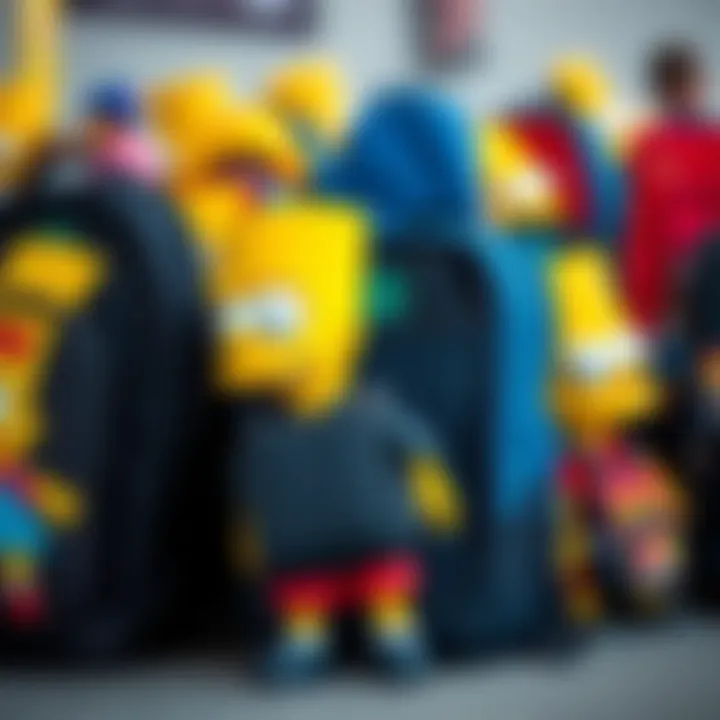
Selecting a backpack often involves a balancing act between aesthetic appeal and practicality. While the Bart Simpson backpack certainly wins points for its visual artistry—boasting vibrant colors and playful designs—it’s equally important to consider its functional aspects, particularly for skateboarders on the go.
- Aesthetics: Bright graphics and familiar imagery attract attention. Skaters are more likely to choose something that mirrors their personalities. The backpack’s bold presentation means it can be worn as a fashion statement, thus intertwining identity with lifestyle.
- Functionality: On the practical side, the bag's design caters specifically to the needs of skaters. Features like durable material, compartments for gear, and pockets for essentials make it a go-to choice. After all, what good is a stylish backpack if it can’t carry your skateboard or necessary gear?
In comparing this backpack with others like the classic JanSport or Herschel packs, those might offer more functional pockets or less flashy designs, but they often fall short in the branding swag and youthful energy that comes from carrying something showcasing Bart Simpson. The choice, then, becomes a personal one: aesthetic spray paint or utilitarian canvas.
"A backpack is more than just a bag; it’s an extension of self-expression that tells a story."
Sustainability and Ethical Considerations
As we dive into the significance of sustainability and ethical considerations regarding the Bart Simpson backpack, it becomes evident that this topic is becoming more critical for both consumers and brands alike. This backpack, while iconic in its own right, has an underlying duty that extends far beyond mere aesthetics or character representation. In today’s world, where environmental awareness is paramount, the production of skate accessories like this backpack cannot ignore the impact on our planet and society.
Manufacturing Practices of Skate Accessories
Manufacturing practices play a crucial role in sustainability. The materials used, the methods of production, and the overall supply chain affect environmental footprints significantly. When it comes to the Bart Simpson backpack, many brands are leaning towards eco-friendly materials. For example:
- Recycled polyester sourced from plastic bottles is increasingly being used. This not only reduces waste but also lowers energy usage compared to virgin polyester.
- Organic cotton not treated with harmful chemicals ensures that water systems remain clean during and after the production process.
Moreover, ethical manufacturing practices, including fair labor conditions and safe working environments for workers, are becoming a non-negotiable expectation among consumers. A backpack crafted with responsibility considers all stakeholders involved, from the miners extracting materials to the skilled laborers sewing the bags together.
Consumer Awareness and Brand Responsibility
With the rise of informed consumers, the expectations placed on brands have shifted dramatically. Skateboarders and enthusiasts today are not just looking for a cool bag; they want to know the story behind it. This awareness is urging brands to step up their game, aligning their practices with ethical standards. Consider these points:
- Transparency in the supply chain is now a priority. Brands like Vans and Thrasher are showcasing their efforts toward sustainable production methods, thereby enhancing their credibility among consumers.
- Community involvement is also essential. By investing in local skate communities and engaging in environmental projects, brands can demonstrate their commitment not just to profit, but to societal well-being.
"Consumers today are looking beyond the product. They want to feel good about their decisions, knowing they are contributing positively to the world."
Personalization and Customization Trends
Personalization and customization have become vital elements in the world of skate gear, and the Bart Simpson backpack stands tall within this trend. For skateboarders and enthusiasts alike, the ability to express individuality through their accessories transforms a simple backpack into a canvas of personal identity. Gone are the days when off-the-shelf designs sufficed; today's consumers crave products that resonate with their unique lifestyles and tastes.
The Rise of Custom Skate Gear
In recent years, customization options in skate gear have surged. Brands and retailers are increasingly offering ways for customers to add their personal twists to products. It’s not merely about adding a name or patch; it’s about creating a statement.
For instance, skateboarders may choose colors that reflect their favorite team or patterns that showcase their personality or interests. The Bart Simpson backpack has embraced this rise, enabling users to add patches, pins, or other personalization touches that align with their skate style or cultural background.
"A personalized backpack is not just a bag; it's an extension of who you are in the skate community."
Customization doesn’t just enhance aesthetic appeal. It provides skateboarders a sense of belonging to a community while reinforcing their identities. A backpack adorned with personal marks carries a story, evoking memories from skate parks and cities, making it more than just an accessory.
Impact on Brand Loyalty and Sales
The push for personalization isn't just a passing trend—it's significantly affecting brand loyalty and sales. When customers can engage with a product on a personal level, a sense of attachment develops that drives repeat business. The Bart Simpson backpack, with its various customization options, encourages not only unique styles but also brand allegiance.
Benefits of Customization for Brands:
- Increased Customer Engagement: Customers feel they have a stake in the product, making them more likely to share their unique designs on social media.
- Enhanced Marketing Opportunities: Unique designs can lead to viral content, free advertising through user-generated material on platforms like Instagram and TikTok.
- Diverse Revenue Streams: With customization, brands can justify premium pricing, boosting profit margins while catering to a niche market.
As brands prioritize consumer preferences for custom gear, the conversation surrounding the Bart Simpson backpack represents a larger shift in consumer expectations in skating and beyond. The trendy nature of personal expression not only captures the loyalty of skateboarders but also appeals to parents purchasing for their children—offering an avenue for kids to showcase their personalities from a young age.
Culmination
The conclusion of this article highlights how the Bart Simpson backpack transcends mere functionality to represent a significant cultural icon in skateboarding and lifestyle. It’s become not just a carrying device but a canvas reflecting the spirit of rebellion and creativity that skate culture embodies. As we explored different facets of the backpack, the design elements, and its cultural implications, we see a clear picture emerge. This backpack illustrates how character-driven merchandise can shape and influence lifestyle choices.
A few specific elements stand out:
- Cultural Heritage: The backpack takes inspiration not just from Bart Simpson as a character, but also reflects the ethos of the 90s and early 2000s youth culture. Its design appeals to nostalgia while remaining relevant to new generations.
- Social Identity: Skaters do not just see this backpack as a tool, but as a badge representing their identity and membership in a community that values individuality and self-expression.
- Market Influence: The rise in popularity of such themed accessories demonstrates how deeply intertwined media characters have become in daily life, inspiring not only brand loyalty but also encouraging parents and enthusiasts alike to invest in an emblem of cultural significance.
All these factors entwine the Bart Simpson backpack within the fabric of skate culture, making it a point of discussion within retail, community gatherings, and social media. Understanding its impact provides a glimpse into how accessories can evolve from simple utility items into vital cultural artifacts.
Summary of Key Insights
The Bart Simpson backpack encapsulates trends and cultural shifts that have influenced both skate culture and youth fashion. Here are some key insights:
- Character as Catalyst: Bart Simpson serves as more than a character; he's a symbol that resonates across generations, linking skate culture with mainstream media.
- Community Connection: The backpack fosters a sense of belonging among skaters, making it a crucial part of social identity within the sport.
- Economic Ramifications: Its popularity has led to a tangible increase in sales within the skateboarding accessory market, influencing other brands to adopt similar strategies associated with pop culture icons.
The Future of Bart Simpson in Skate Culture
Looking ahead, the Bart Simpson backpack's role in skate culture appears poised for evolution. Here are some considerations:
- Innovation in Design: As trends shift, we might see adaptations of the backpack that integrate modern technology. Expect features like solar panels for charging devices or smart materials that adapt to weather conditions.
- Sustainability Movement: With increasing awareness around environmental issues, brands could strive for eco-friendly materials while maintaining the nostalgic appeal of the backpack. Fans would likely appreciate efforts to reduce carbon footprints in production.
- Collaboration Prospects: Collaborations between designers and skateboard brands are likely to continue, allowing for unique, limited-edition versions of the backpack that might attract both collectors and casual fans alike.